I've installed both Lutron Caséta and Inovelli Blue switches in my house, and I can tell you they appeal to completely different people with completely different priorities. One is like owning a Honda Accord. The other is like owning a race car you need to tune yourself.
The Lutron Caséta Philosophy: Perfection Through Simplicity
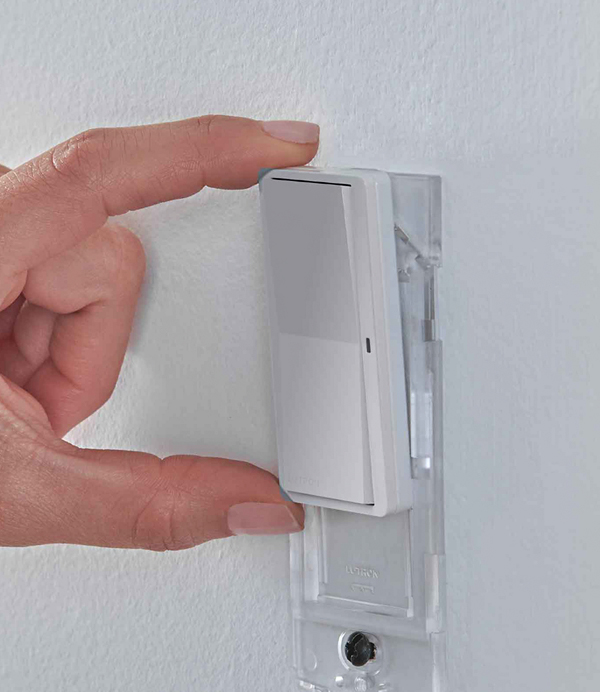
Lutron Caséta switches cost around $55 to $65 per switch. You also need a Lutron Smart Bridge ($80) as a hub.
Here's what you get: rock-solid reliability. Full stop. These switches work every single time without fail. You flip the paddle, the light turns on or dims. No exceptions. No network hiccups. No firmware updates that break things.
Lutron uses a proprietary Clear Connect RF protocol that's not part of the standard Zigbee or Z-Wave ecosystem. That sounds limiting, but it actually means Lutron engineers total control over the quality of experience. The radio is bulletproof. The latency is invisible.
The dimming performance is the best in the industry. If you've ever had a smart dimmer that flickers with LED bulbs, makes a buzzing sound, or doesn't go all the way down to 1%, you've experienced the pain that Caséta solves. I've been running Caséta dimmers for three years and they're absolutely silent, absolutely smooth. No flicker at any level. Works with every LED bulb I've thrown at them.
No neutral wire required. Most smart switches need a neutral for power, but Caséta doesn't. You can retrofit older homes more easily.
Works with HomeKit, Alexa, Google Home, and Home Assistant. Excellent ecosystem support.
The catch? You get on/off and dimming. That's it. No scene control. No LED notifications. No multi-tap actions to trigger automations. No smart bulb mode. You're paying for simplicity and reliability, not flexibility.
Install one of these, and it will work perfectly until the day your house burns down. I can say that with confidence.
The Inovelli Blue Series: Maximum Flexibility

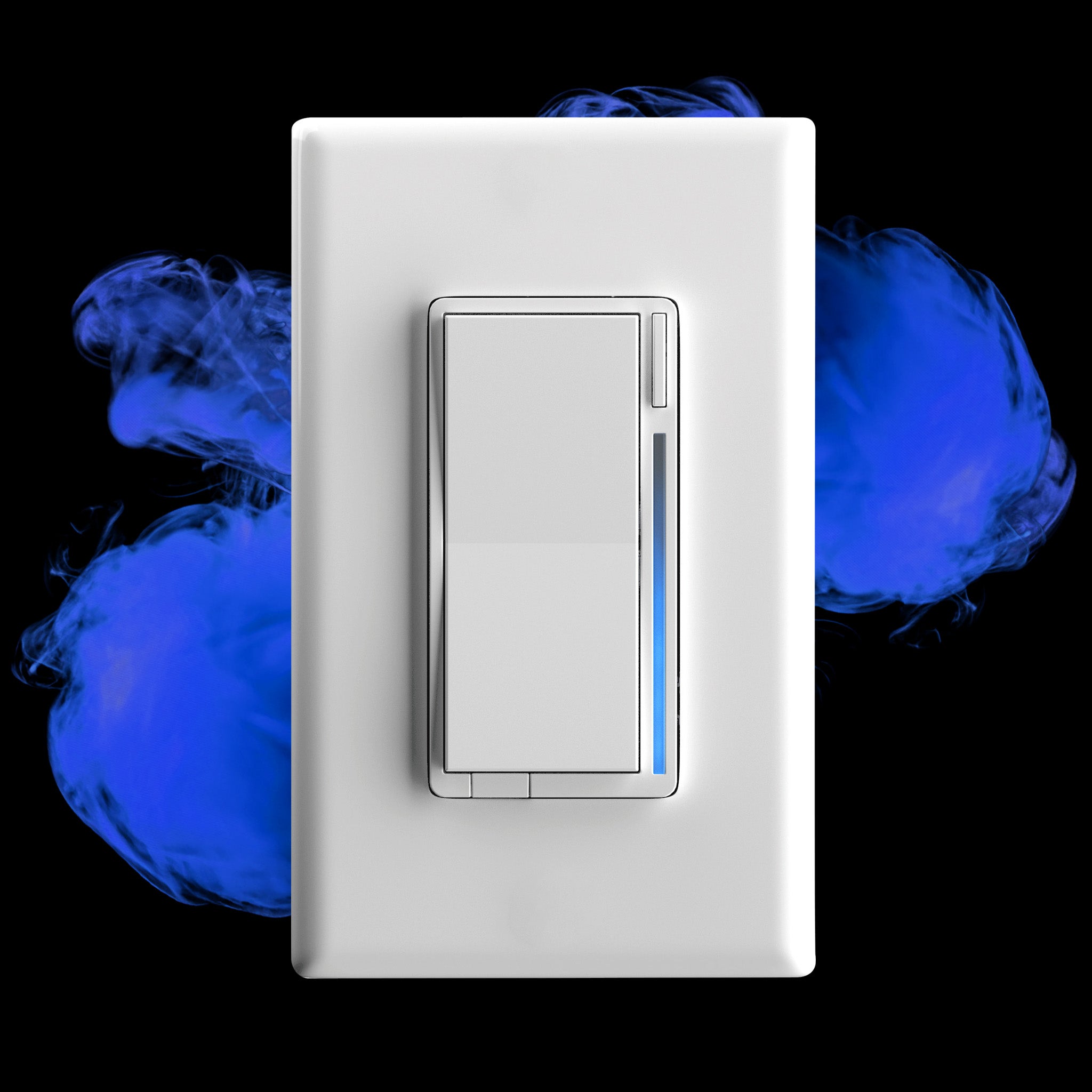
Inovelli Blue 2-1 switches cost around $40 per switch. You need a Zigbee coordinator hub (Zigbee2MQTT, Home Assistant's built-in Zigbee coordinator, Hubitat, SmartThings). Most Home Assistant users already have one.
These switches are feature-packed. The same hardware handles on/off or dimming—you configure which one you want in the app. That's flexibility out of the box.
The LED notification bar is ridiculous in the best way. It's a thin strip of RGB LEDs underneath the switch paddle. You can:
- Display a specific color to indicate system status
- Pulse when a certain condition occurs (door opened, package delivered)
- Show a notification effect when triggered by an automation
- Set brightness and animation effects through Home Assistant
I've got mine set to glow blue when the sun sets, pulse red when a door opens while I'm away, and show a quick white flash when someone arrives home. It's one of those features that sounds gimmicky until you actually have it, and then you wonder how you lived without it.
Multi-tap scene control means pressing the switch up/down five different ways creates 21 different possible triggers. Up, double-tap up, triple-tap up, hold up, release up. Down versions of each. And combinations. You can bind each of those to a different automation in Home Assistant. Need a bedtime scene? Triple-tap down. Movie mode? Double-tap down. It's powerful once you configure it.
Binding for instant local control. If you've got Inovelli switches and Inovelli or other Zigbee bulbs, you can bind them directly so the switch controls the bulbs at the Zigbee level without requiring Home Assistant. Instant response, no network dependency.
Smart bulb mode decouples the relay so the switch works like a remote instead of a light switch. Handy if you're controlling smart bulbs instead of standard loads.
No neutral required (with limitations—some models need one in certain installations, but many don't).
Works with Home Assistant, Hubitat, SmartThings, and coming Matter support in 2025.
The catch? More configuration required. The default behavior is good, but getting the most out of these switches means diving into YAML in Home Assistant or Hubitat. You're trading simplicity for power.
Zigbee mesh reliability depends on your network. If your mesh is weak, you'll notice occasional delays or unresponsiveness. Lutron doesn't have that problem because it's its own network.
Head-to-Head Comparison
| Feature | Lutron Caséta | Inovelli Blue 2-1 |
|---|---|---|
| Switch Cost | $55-65 | $40 |
| Hub Cost | $80 | $0 (if you have Zigbee) |
| Total Cost (10 switches) | $630-80 = $710 | $400 |
| Dimming Quality | Perfect | Very Good |
| On/Off Latency | <100ms | 100-300ms |
| Scene Control | No | Yes (multi-tap) |
| LED Notifications | No | Yes |
| Configuration Complexity | Minimal | Moderate |
| Reliability | Exceptional | Very Good |
| Matter Support | Coming Soon | Coming 2025 |
| Neutral Required | No | Usually No |
| HomeKit Support | Yes | No (until Matter) |
Which One Should You Actually Buy?
Choose Lutron Caséta if:
- You want lighting that works perfectly and you don't want to think about it
- You care about HomeKit compatibility right now
- You're willing to pay extra for unshakeable reliability
- You're not interested in complex automations or scene control
- Your lighting just needs to work—period
Choose Inovelli Blue if:
- You're running Home Assistant and you like tinkering
- You want multi-tap scenes and automation flexibility
- You care about cost—you'll save money on the total system
- You want to notify yourself about events using the LED bar
- You enjoy configuring home automation deeply
I've installed Caséta in my living room and master bedroom where I just want reliable dimming. I've installed Inovelli everywhere else because I like the flexibility and the cost savings. Both decisions feel right for their spaces.
Final Thoughts
This isn't a "which one is objectively better" situation. Lutron is paying for perfection. Inovelli is paying for flexibility and value. If you had to pick one brand for your whole house, you'd pick based on your personality—someone who wants zero friction goes Lutron, someone who enjoys configuration goes Inovelli.
Personally? I'm happy with both in the same house. They play different roles, and they play them well.