Smart speakers are the voice interface to your smart home. They're also where the ecosystem lock-in starts. What you buy here determines what platform you're building on — and switching later means replacing everything.
I want to be direct about something most smart speaker reviews gloss over: the audio quality and the home automation quality are inversely related in budget tiers. The best smart home hubs (Echo) are mediocre speakers. The best speakers (Sonos, HomePod) are more limited as home automation controllers. Choose based on what you actually need more.
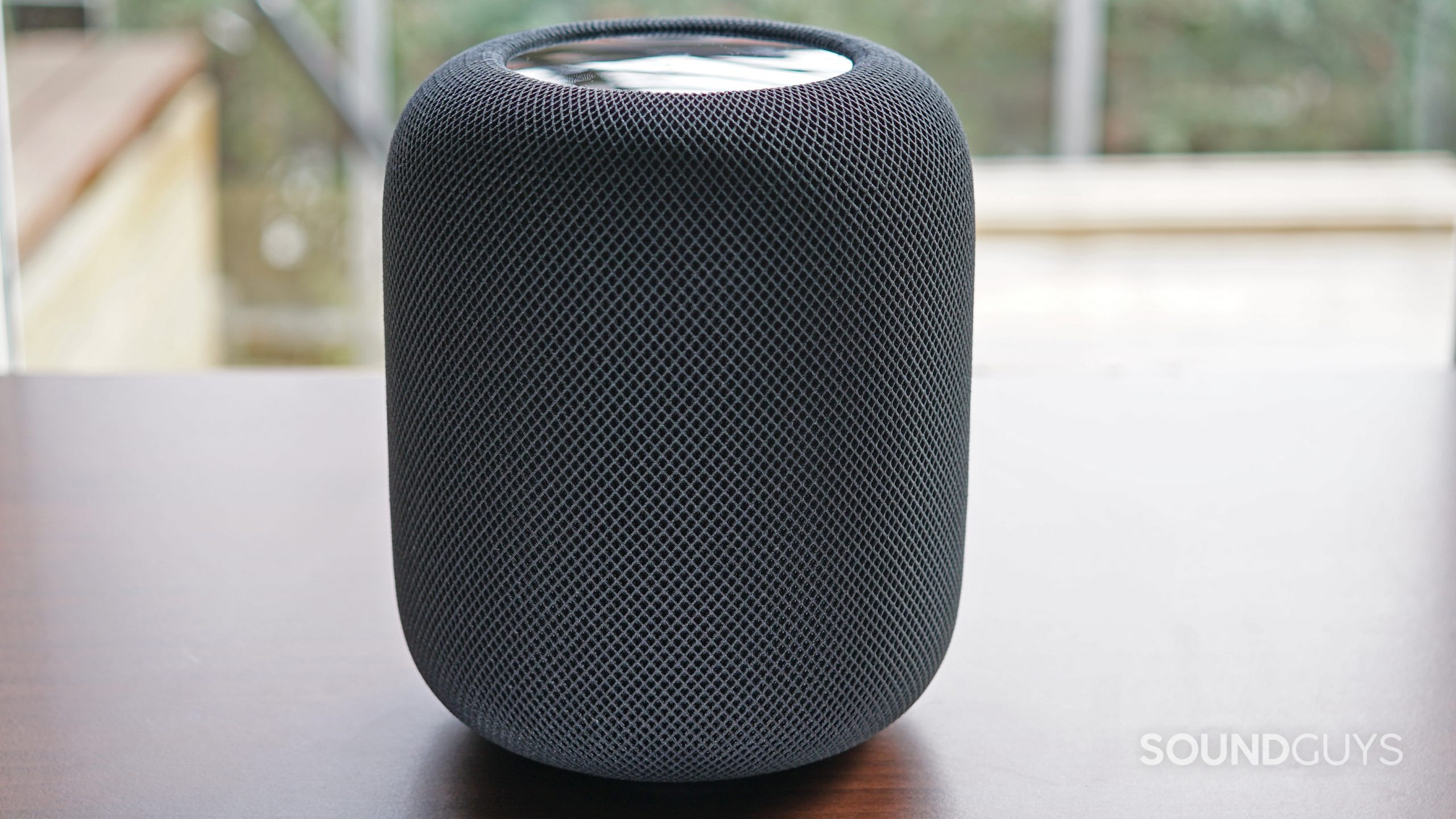
Apple HomePod (2nd gen) — $299
The HomePod 2nd gen is the best-sounding smart speaker you can buy as a single unit. Apple's spatial audio processing and automatic room correction are genuinely impressive — the speaker physically moves sound to account for reflective surfaces in its environment. If you've only heard music on budget smart speakers, the HomePod will genuinely surprise you.
As a home automation hub: The HomePod is the best HomeKit hub. It acts as a Thread border router, a HomeKit hub, and a local Matter controller — all in one. Any HomeKit or Matter device you add to Apple Home is processed locally through the HomePod when you're away. Automations run locally without internet dependency.
Siri for home control: Honestly, Siri is still the weakest voice assistant for complex queries. "Turn off all the lights in the house" works perfectly. "Turn on the kitchen lights when the front door opens" also works. But for anything requiring follow-up or nuance, Siri falls behind Alexa and Google. Apple is improving this with generative AI, but as of early 2026, the gap remains.
Temperature and humidity sensor: The HomePod 2nd gen has built-in temperature and humidity sensing. It shows up as a HomeKit sensor and can trigger automations. This is a quietly useful feature for anyone building climate automations.
Apple ecosystem requirement: The HomePod is most valuable if you have other Apple devices. You control it with an iPhone, pair it via Apple Home, and most advanced features require iOS 16+. If you're Android or multi-platform, the HomePod is a frustrating choice.
Home Assistant: The HomePod's HomeKit hub capability is what matters for HA users. The Apple Home / HomeKit Bridge integration in HA is local and fast. The HomePod itself doesn't integrate directly with HA, but as the HomeKit hub, it makes the whole Apple ecosystem accessible from HA.
Audio quality wins: My wife uses ours primarily as a music speaker, not a smart home device. It sounds that good.
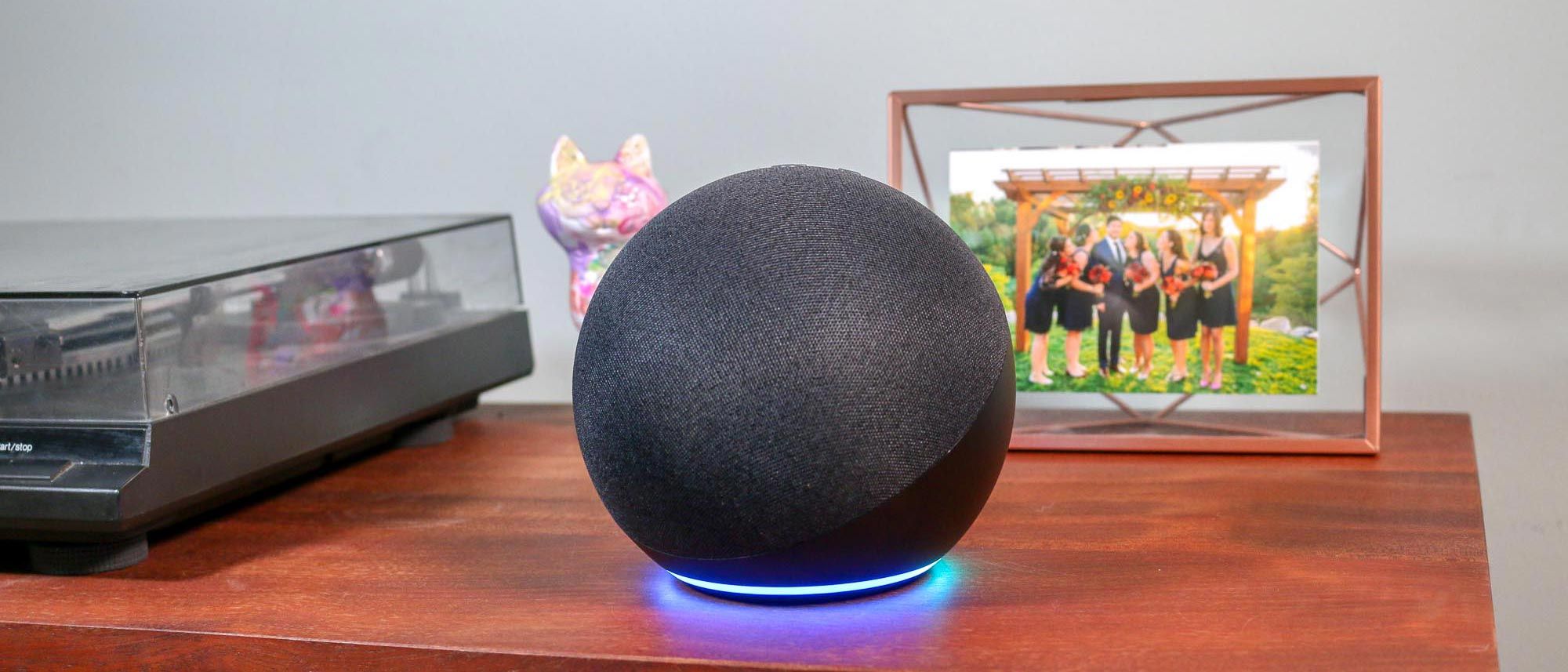
Amazon Echo (4th gen) — $100
The Echo is the smart home device. Forget the audio quality comparison — at $100, it's priced as a home control device that happens to play music, not the other way around.
What makes it the best home controller: The Echo 4th gen has a built-in Zigbee radio. This means it can directly control Zigbee devices — certain bulbs, sensors, locks — without any separate hub. Add to that a built-in Thread radio for Matter devices, and you have a smart home hub, a voice controller, and an Alexa speaker all in one $100 package.
Alexa: The voice assistant is the most versatile for home control. Alexa routines are powerful and flexible. "Alexa, good morning" can trigger a sequence that raises the thermostat, starts the coffee maker (via smart plug), turns on lights at 40%, and reads you the weather. Custom routines are the backbone of most Alexa-centric smart homes.
Amazon ecosystem depth: More smart home devices are compatible with Alexa than any other platform. If you're buying a random smart plug, switch, or sensor from a small brand, it probably works with Alexa. It might not work with HomeKit or Google. For the broadest device compatibility, Alexa wins.
Audio: The 3-inch woofer and dual tweeters are fine for background music or podcasts. Not for critical listening. If audio quality matters, look at the Echo Studio or Sonos.
Home Assistant: Amazon's Alexa doesn't integrate directly with HA in a meaningful way for home control — it's a one-way command structure. The Echo's Zigbee hub can control Zigbee devices independently of HA, which is either convenient or annoying depending on whether you want everything in one platform.
Who should buy it: Anyone building an Alexa-first smart home. Budget-conscious buyers who want the most capable home control device at this price. Anyone who needs Zigbee hub capability without buying a separate hub.
Google Nest Audio — ~$100
The Google Nest Audio is a solid mid-tier smart speaker that I'd recommend specifically for Google Home households. It sounds noticeably better than the Echo 4th gen at the same price — clearer mids, less muddy bass — but it lacks the Zigbee/Thread radio hub capabilities.
Google Assistant: The best voice assistant for informational queries. If you ask complex questions — "what's the weather next week, and should I leave my windows open based on the forecast?" — Google is genuinely smarter than Alexa or Siri at parsing and answering.
Home automation depth: Google Home's automation capabilities have improved significantly in 2025–2026. Routines, device groupings, and presence-based automations are all better than they were two years ago. But the platform still lags Alexa in device compatibility breadth.
Thread border router: The Nest Hub (2nd gen, the display version) has a Thread border router. The Nest Audio speaker does not. If you need Thread for Matter devices, you need a Nest Hub or separate Google Home device.
Home Assistant: The Google Home Assistant integration in HA is cloud-based and limited. For HA users, Google speakers are primarily useful as TTS (text-to-speech) targets — HA can announce notifications through them — but they're not ideal as smart home hubs in an HA setup.
Who should buy it: Google Home households. People who want the best voice assistant experience. Anyone who already uses Google services heavily and wants them integrated into home control.
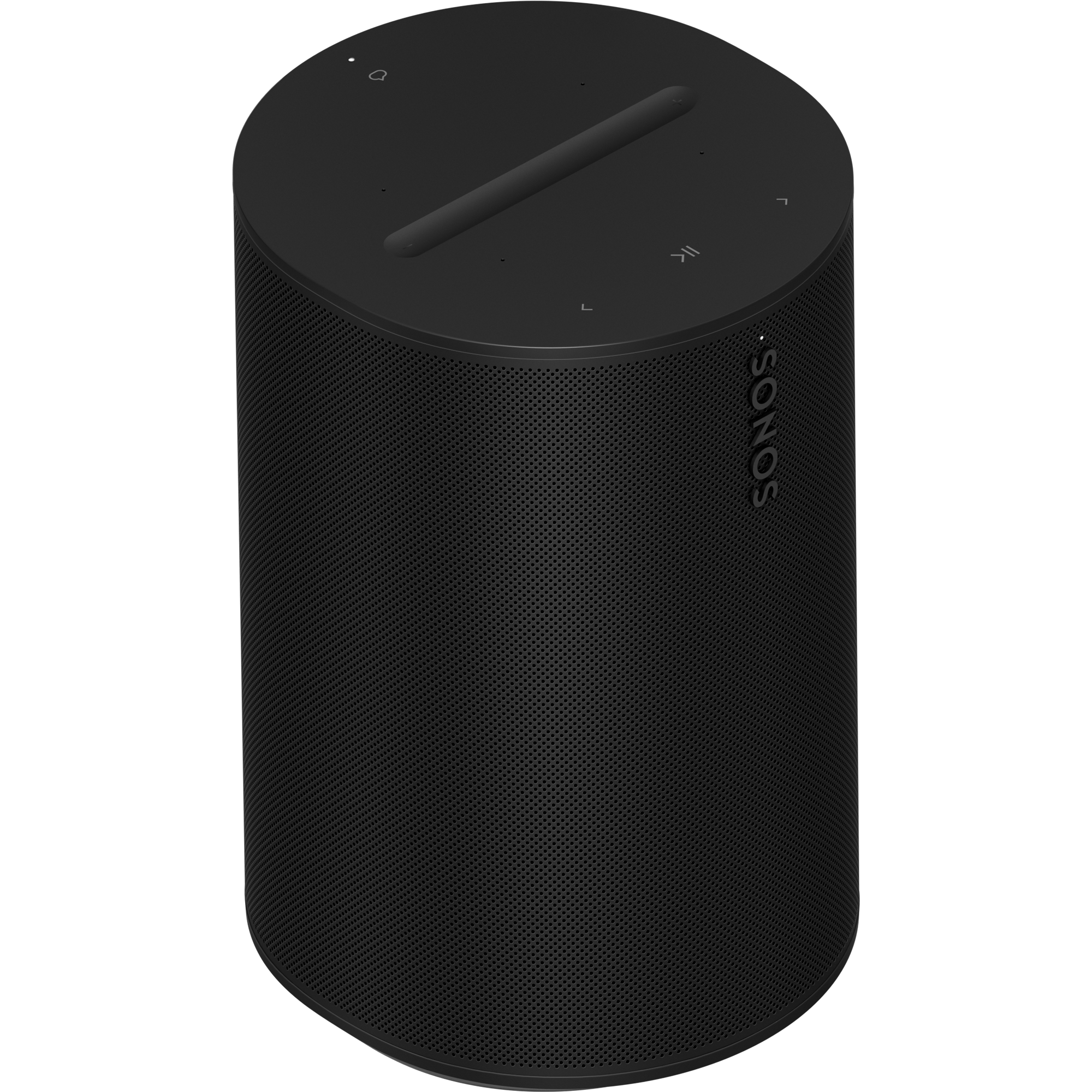
Sonos Era 100 — $249
The Sonos Era 100 is the best-sounding speaker in this price range, full stop. If you care about audio quality and want a smart speaker that doesn't make you wince when you play real music, the Era 100 is the answer.
As a home automation controller: The Era 100 supports Alexa, allowing you to use Alexa routines and commands through the speaker. It's not a Zigbee or Thread hub — there's no smart home radio built in. But as a room speaker that also responds to Alexa commands and integrates into your Sonos multiroom system, it's excellent.
Sonos system integration: Where Sonos shines is whole-home audio. Multiple Era 100s (or other Sonos speakers) all connected, controlled via one app, synchronized to the same music. I have four Sonos speakers across my house and the multiroom experience is flawless — music follows me room to room.
Alexa voice control: Full Alexa integration means all your Alexa smart home commands work from any Sonos speaker. "Alexa, turn off the living room lights" from your kitchen Era 100 works exactly as expected.
Trueplay: Sonos's automatic acoustic tuning system calibrates the speaker to your room's specific acoustics using your iPhone's microphone. The difference before and after tuning is audible.
Home Assistant: Sonos has a solid HA integration. Media player entity, TTS support, group control. I use mine as announcement speakers for HA notifications — door open alerts, package delivery, washer done. The quality of the spoken announcements is noticeably better on Sonos than on Echo.
Who should buy it: Anyone who cares about audio quality. Sonos ecosystem users building a whole-home audio setup. People who want Alexa home control through a genuinely good speaker.
The Honest Recommendation by Priority
Home automation depth first: Amazon Echo 4th gen. The built-in Zigbee hub, Alexa routines, and broadest device compatibility make it the most capable home control device at any price.
Apple ecosystem first: HomePod 2nd gen. The HomeKit hub, Thread border router, and local automation processing are the best in class. Accept the Siri limitations.
Audio quality first: Sonos Era 100. It sounds dramatically better than the Echo and holds its own against the HomePod. Use Alexa through it for smart home control.
Google services first: Nest Audio. Best voice assistant, deep Google ecosystem integration, good audio.
Budget first: Amazon Echo 4th gen. $100 does everything adequately and comes with a built-in Zigbee hub.
The thing I tell everyone: buy based on the smart home platform you're building, not the speaker you like the sound of. You can always add a better speaker to an existing ecosystem. Changing platforms is painful.