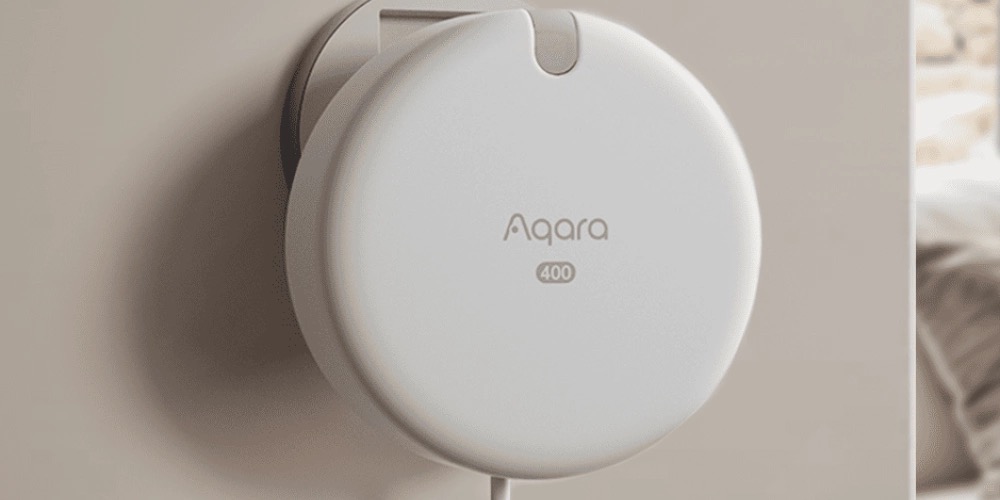
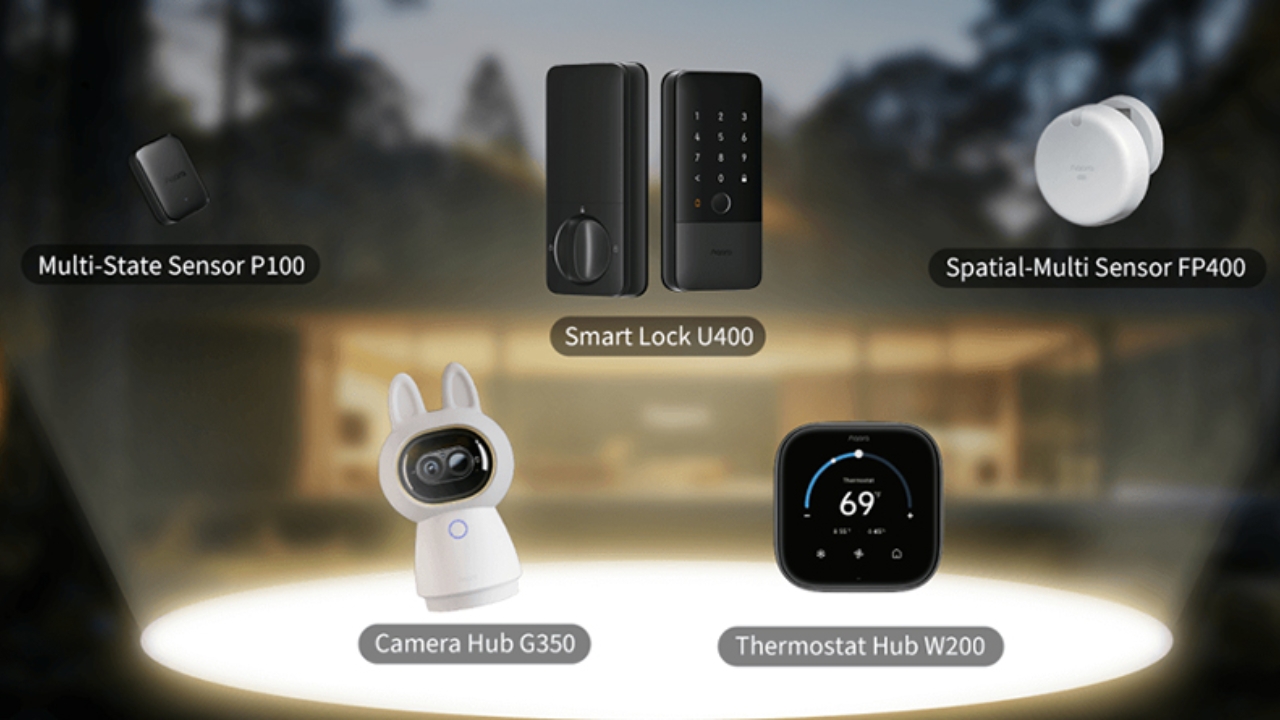
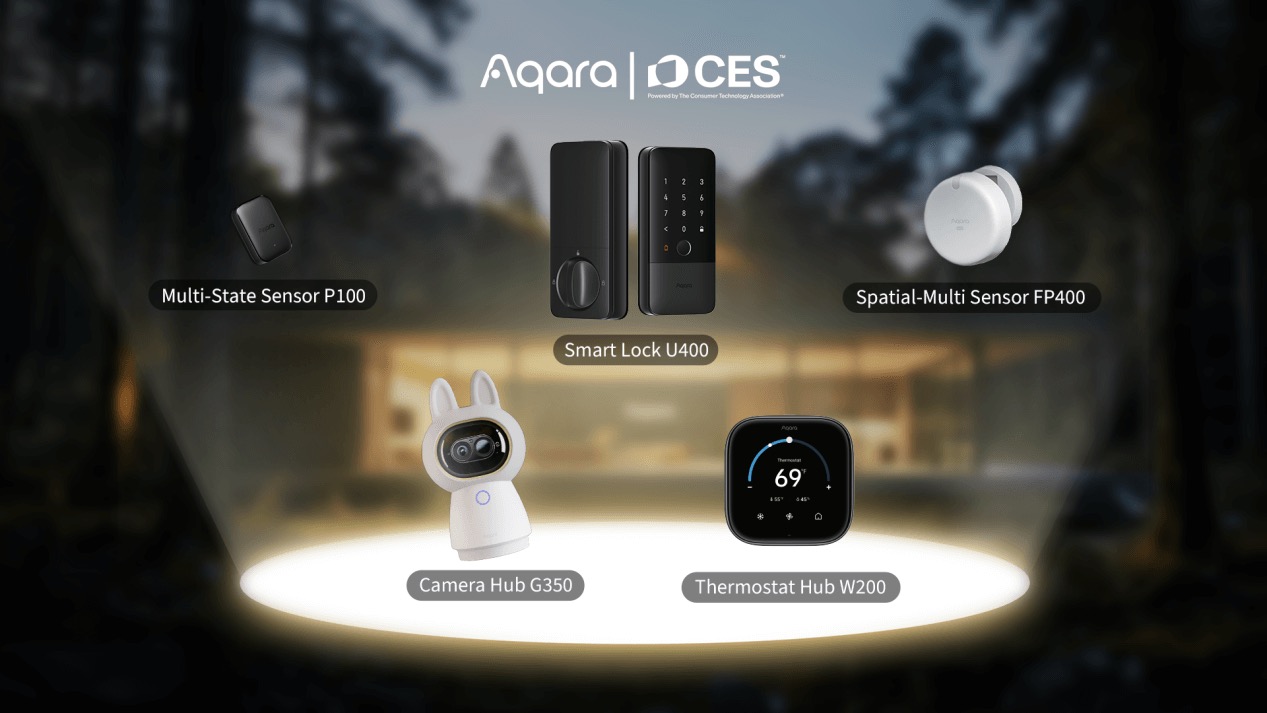
Aqara just unveiled something at CES 2026 that's going to change how we think about room-level automation: the FP400 Spatial Multi-Sensor.
It's not just a motion detector. It's actually tracking where people are in a room and what they're doing. Sitting, standing, lying down, falling. Up to ten people simultaneously.
This is a big deal.
What Makes It Different
The FP2 (which came out last year) is a solid presence sensor. It knows if someone is in the room even if they're completely still. But the FP400 takes it further.
It's a mmWave radar with on-device AI. Tracks position with a half-meter precision grid. Coverage is 10 meters by 8 meters—basically a large bedroom or living room.
It can distinguish posture: sitting vs. standing vs. lying down. It can even detect falling, which is huge for elderly care or medical applications.
Most importantly: it maps zones within the covered area. You can set up different automations for different zones. Motion at the door triggers one automation. Motion at the desk triggers another. Motion at the couch? Different behavior entirely.
Real-World Automation Possibilities
Here's where it gets exciting.
Smart Lighting: Motion in the kitchen near the counter triggers bright white lights. Motion at the table triggers warm lights and maybe the speaker for music. No manual switching.
Climate Control: Temperature sensor notices it's warm. Then the FP400 sees someone sitting on the couch. That's when the AC turns on—not before, not wasting energy.
Office Automation: When someone sits at the desk, the monitor turns on, music stops, and focus mode activates. When they stand up and move to the couch, everything switches. Automatic context awareness.
Sleeping Mode: If the FP400 detects someone lying down for more than 30 minutes without moving, it assumes they're sleeping and locks the home automation—no random triggers.
Safety: If someone falls and doesn't get up for more than a minute, it can send an alert. Invaluable for elderly care.
The Specs (What We Know)
- mmWave radar technology
- 10m × 8m coverage
- Half-meter zone precision
- Supports up to 10 simultaneous people
- Posture detection (sitting, standing, lying, falling)
- Matter support
- HomeKit, Google Home, Alexa compatible
- Home Assistant integration via MQTT
- Local processing (no cloud required for detection)
Expected Pricing and Timeline
No final pricing announced yet. Based on the FP2's $60 price point, I'd expect the FP400 to land around $80–$100. That's my educated guess.
Shipping is expected mid-2026. Early adopters might see it Q2. General availability probably Q3 2026.
Compared to the FP2
The FP2 is still solid. It detects presence in a room. For most people, that's enough.
The FP400 is for people who want to take automation one step further. Room-level presence is cool. But knowing what someone is doing in that room? That unlocks automation possibilities the FP2 just can't do.
Is it necessary? No. But for the right use case, it's a massive upgrade.
My Take
The FP400 represents the next evolution of smart home sensors. We're moving from binary (motion/no motion) to contextual (what is the person doing?). That's how smart homes get actually smart.
The posture detection is the part that fascinates me most. That's data that previous sensors literally couldn't capture. A whole new category of automation becomes possible.
The price point will be important. At $80–$100, it's accessible. At $200, it's enthusiast-only. Everything I've heard suggests it'll be in the $80–$100 range, which means adoption will be solid.
Local processing is the other crucial detail. Spatial awareness stays on your network. No one's tracking your movements through Aqara's servers.
Should You Wait?
If you need a presence sensor right now, the FP2 at $60 is still excellent. You won't regret it.
If you can wait until mid-2026 and want the most advanced presence detection available, the FP400 will be worth the wait.
The FP400 is coming. Smart homes just got a lot smarter.