If you're knee-deep in Apple Home, the Eve Energy plug is one of those products that just works. No random disconnections, no app headaches, and it'll tell you exactly how much power your space heater is actually draining. For $40, that's pretty solid.
Matter and Thread—The Part That Actually Matters
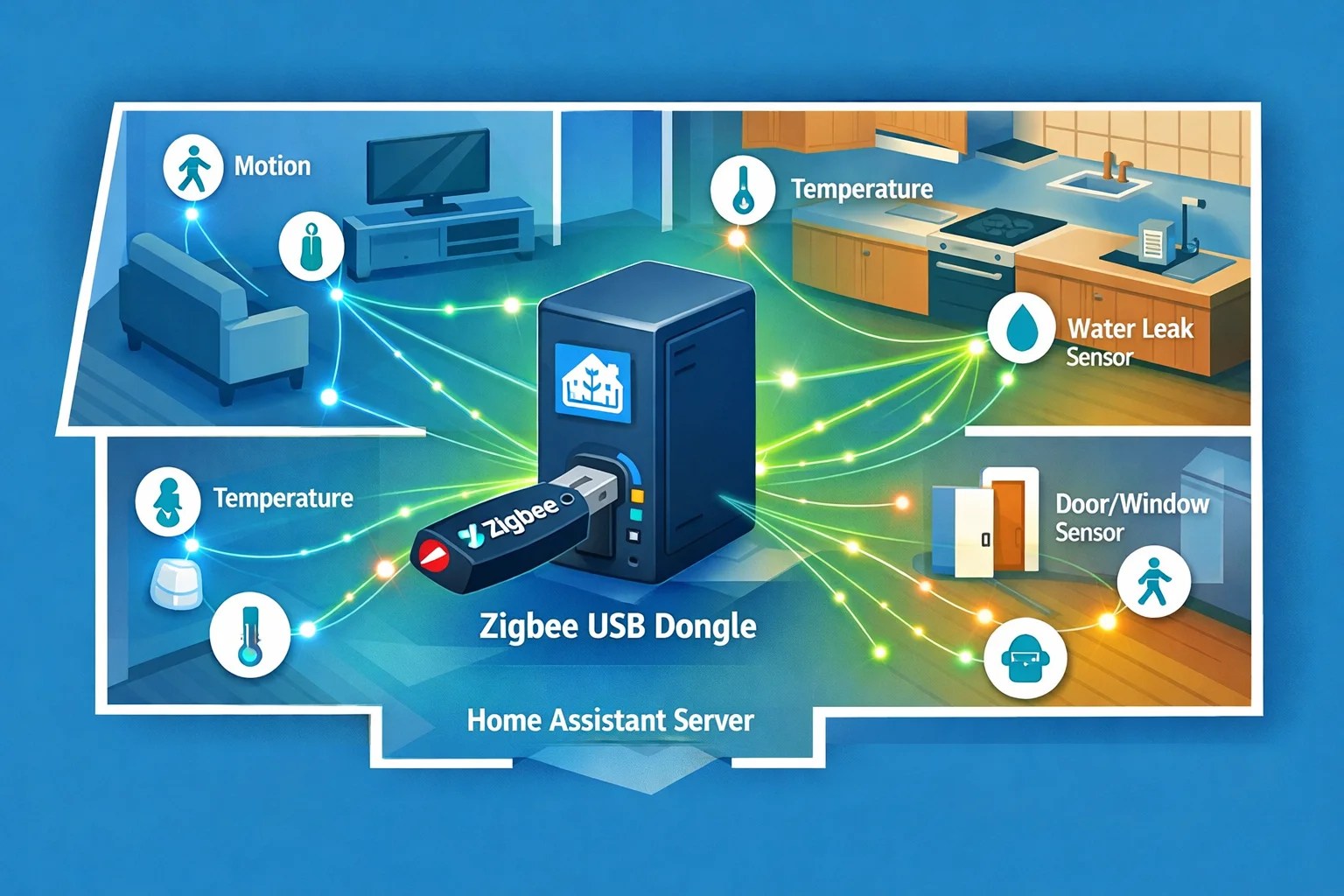
Here's the thing about smart home standards that nobody talks about: they're only useful if your devices actually behave. Eve's implementation of Matter over Thread is borderline boring in the best way possible. I've got a HomePod mini in the other room acting as a Thread border router, and the Eve plugs have never—and I mean never—dropped connection.
If you don't have a Thread border router yet, this is a good reason to grab a HomePod mini ($99) or the new Apple TV 4K ($99–$199). Once you do, you get local control, no cloud dependency, and rock-solid reliability. No hub required. Just plug it in and add it to HomeKit.
Energy Monitoring That Actually Works
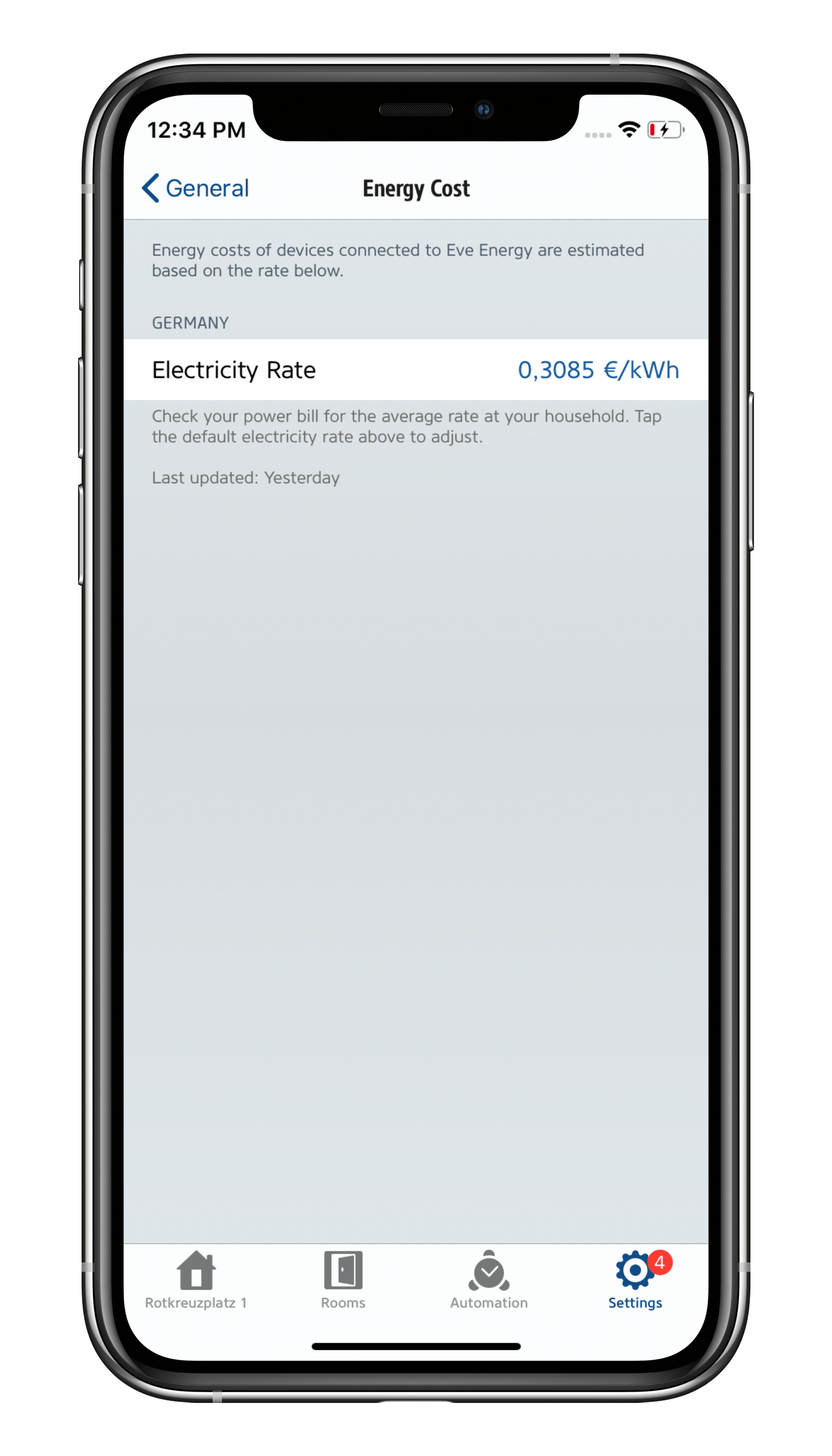
I've got one plugged into our primary space heater, and the energy monitoring is legitimately useful. You see real-time wattage, kWh usage over time, and Eve calculates estimated monthly costs based on your local electricity rates. If you set that up, you get a pretty clear picture of "oh, this thing is costing me like $40 a month in winter."
The app's clean too. You can see historical graphs, set energy limits if you want, and get notifications if something's drawing way more power than usual. We had a lamp that was acting weird, and the power monitoring made it obvious something was failing before the bulb actually died.
The Design Actually Matters
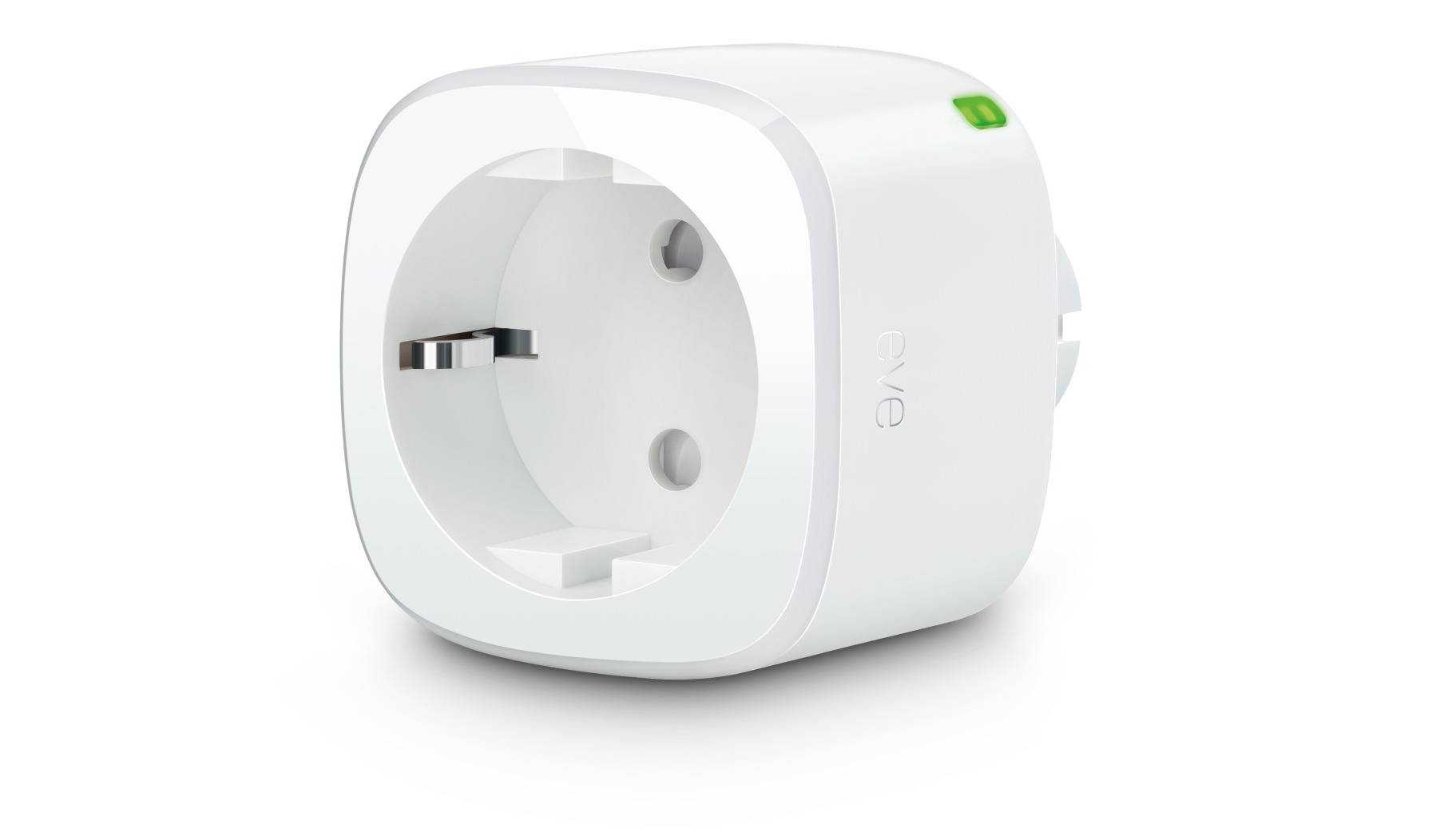
This is where Eve got clever. The plug is compact—it doesn't take up both outlets on a standard outlet plate. I've got one in our kitchen next to our coffee maker, and it's not blocking the other outlet. That sounds silly but I've tested maybe six smart plugs and most of them are these chunky pucks that monopolize your entire outlet. Eve's design respects real-world outlet situations.
It's rated for 15A at 1800W max, which covers basically everything except heavy appliances. The build quality feels solid. No cheap plastic vibes.
HomeKit, Google, Alexa—All of It
Matter means it talks to all the major ecosystems. I control it through Apple Home, but it's compatible with Google Home and Amazon Alexa too if you've got devices from multiple manufacturers. The HomeKit integration is particularly tight—automation support, scheduling, scenes, all the stuff you'd expect works without friction.
What About Alternatives?
TP-Link Kasa makes solid smart plugs around the same price point. They're good, honestly. But they don't have Thread, and the app isn't as clean. Meross is another option if you want HomeKit exclusivity—similar price, similar quality. But I prefer Eve's energy monitoring, and Thread support is the future of HomeKit reliability, so I'd lean Eve.
If you're not in the Apple ecosystem, neither of these matter. Look at Shelly or Sonoff for Matter-based alternatives on other platforms.
Real-World Use
We run a few automations around the plugs. Coffee maker turns on at 6:30 AM, space heater has time-based schedules so it's not running all night, and we get alerts if the living room outlet is pulling more than 500W for more than an hour (basically "someone left something on they shouldn't have").
The responsiveness is instant. HomeKit doesn't have that "spinning wheel" moment where you're not sure if the command went through. It just happens.
The Wrap-Up
At $40, the Eve Energy plug on Amazon is the best Matter-over-Thread smart plug for Apple Home users. The energy monitoring adds real value beyond just "turn this outlet on and off," and the design respects your actual outlet situation instead of occupying all available real estate.
If you're building a HomeKit setup or adding to an existing one, grab a couple of these. The Thread network strengthens as you add more devices, and having actual energy visibility is surprisingly useful when you're trying to understand your power consumption. It's the kind of small investment that pays dividends in reliability and information.