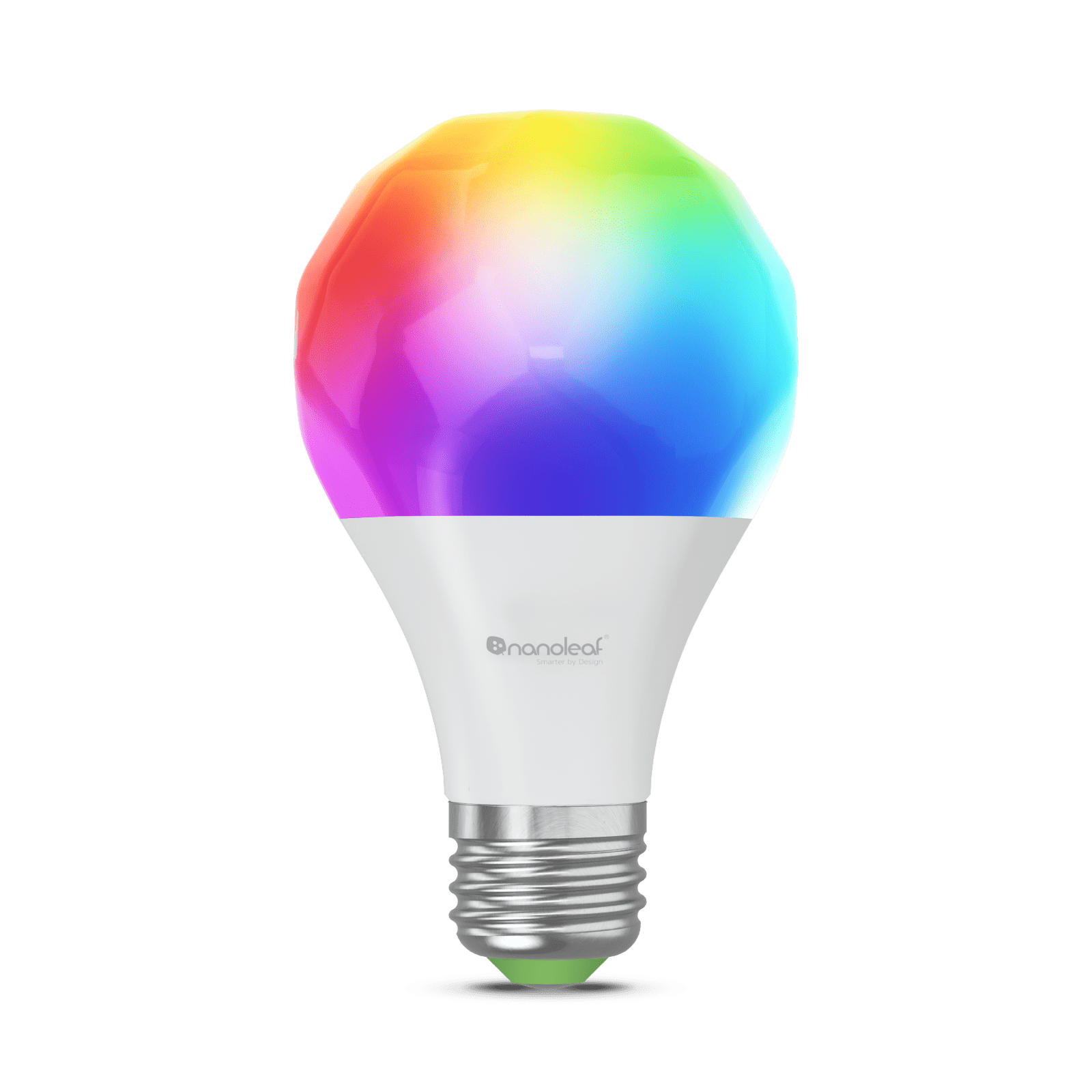
The smartest bulb isn't always the most expensive bulb. Nanoleaf's Essentials A19 proves that, especially if you've got a Thread network running. At $20 per bulb, you're looking at the price-to-performance sweet spot for Matter bulbs. Yeah, Philips Hue is more polished. But Nanoleaf at 40% of the cost is hard to argue with.
I've got six of these scattered through the house now, and I keep buying more because they just work. No drama, no app weirdness, just colors that respond instantly.
What You're Actually Buying
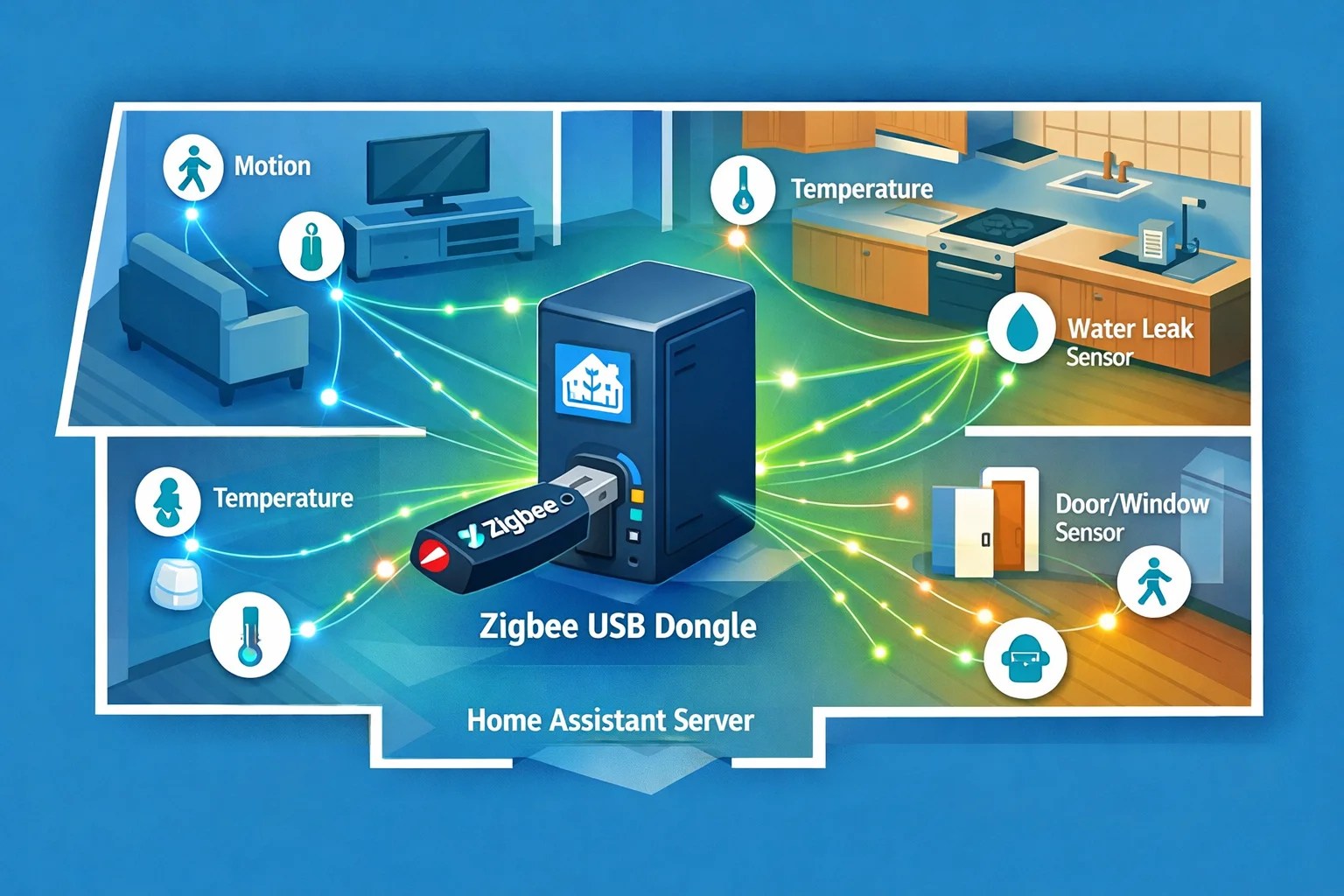
Standard A19 form factor. Fits any lamp socket. 16 million colors, tunable white (2700K to 6500K), 806 lumens, 9W. Matter over Thread, so once you've got a Thread border router (HomePod mini, Apple TV 4K, or similar), the bulbs don't need a hub. They join the Thread mesh and talk directly to your control system.
If you don't have a Thread border router, you'll need one. Otherwise the bulbs are useless because Matter without Thread requires a hub, and there's no Nanoleaf hub for this product line.
The Setup That Just Works
Pairing is trivial: plug the bulb in, open your phone (HomeKit, Google Home, or whatever), and scan the HomeKit code on the bulb or its packaging. Takes maybe 30 seconds. The bulb instantly joins your Thread network and shows up in your control app.
Response time is snappy. Like, actually instant. Not that half-second lag where you're wondering if the command registered. You tap "turn on" and it turns on. Color changes are smooth, no flickering. Brightness ramping is even.
This matters more than people realize. Cheap bulbs feel cheap because there's lag. You feel like you're controlling something remote and flaky. These feel responsive and present.
Color Quality and Limitations
The colors are good. Not Philips Hue good, but good. Hue's got a bigger color gamut and more sophisticated color rendering, especially for pastels and skin tones. Nanoleaf's colors are punchy and accurate for primary hues—reds, greens, blues are vibrant.
The tunable white range is solid. 2700K is a warm amber, 6500K is cool daylight. You've got plenty of in-between for different times of day.
Here's the honest part: if you're a color enthusiast or you're using smart bulbs for serious accent lighting, Hue is worth the money. But if you want colors that look good and you don't need absolute perfection, Nanoleaf's more than adequate.
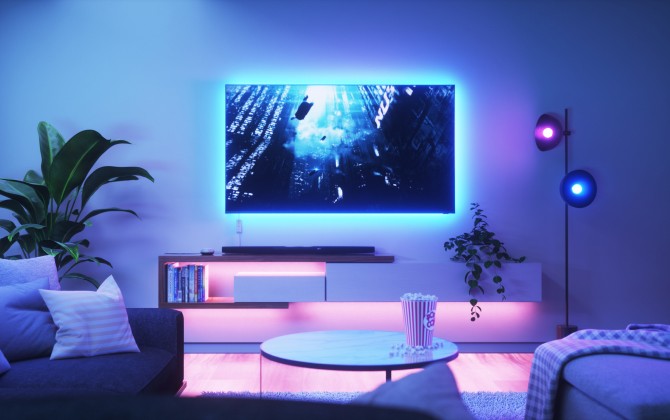
Where It Wins vs. Hue
Cost. That's the main one. $20 vs. $50 per bulb is a huge difference when you're outfitting a room. A set of four bulbs is $80 instead of $200. That matters.
Thread integration is also cleaner than Hue's. Hue requires a separate hub ($60+) on top of the bulbs. Nanoleaf bulbs integrate directly with Thread without additional hardware if you've already got a border router.
Compatibility is broader. Hue's best with HomeKit but works on other platforms too. Nanoleaf, being Matter, is agnostic from the start. Google Home, Amazon Alexa, Apple Home—all treated equally.
The Hue Comparison That Matters
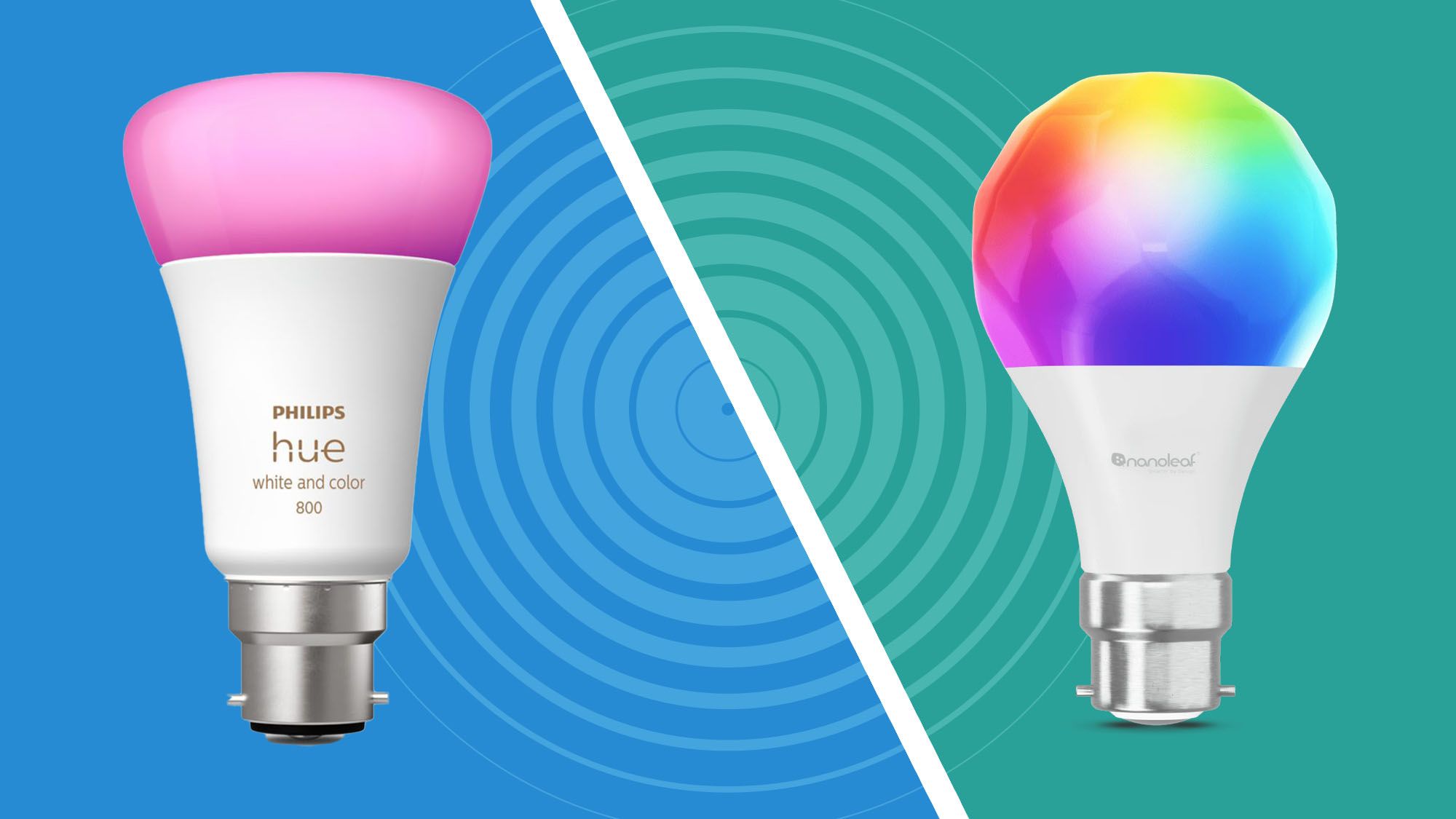
Look, I own both. Hue is more polished. The Hue app is nicer. Hue has an effects library (sunrise simulation, dynamic colors, rhythm modes). Hue's color science is better. If you've got the budget and you're building a prestige smart lighting setup, Hue's the answer.
But here's what Nanoleaf gets right: they're 60% cheaper and they handle 80% of what you'd actually do with smart bulbs. Most people don't need sunrise simulations. They want to change color sometimes, adjust brightness, and set schedules. Nanoleaf handles that flawlessly.
At $20 per bulb, you can afford to put them everywhere. That changes how you use them. Instead of a few accent bulbs, you've got smart bulbs in every fixture.
Practical Use Cases
We use them as regular lights most of the time—warm white in the evening, daylight during work hours. Automations handle the scheduling without any effort on our part.
For entertaining, colors are fun. But honestly? We use the brightness dimming more than colors. Lowering the brightness to 30% for a movie is better than any color feature.
The tunable white is the real value. Warm light in the evening is legitimately better for sleep than bright white. These make that automatic.
Real-World Reliability
Six bulbs, three months of use, zero issues. No disconnections, no random on-offs, no app crashes. They joined the Thread network and stayed there. This is the bar for a $20 product—it should just work—and Nanoleaf clears it.
What You Need to Make This Work
Thread border router: Required. HomePod mini is the cheapest option at $99. Apple TV 4K is $99–$199 depending on storage. If you've already got one of these, the bulbs are good to go.
Smart home hub: Works with HomeKit, Google Home, and Alexa natively over Matter.
The Bottom Line
Nanoleaf Essentials A19 bulbs are the best value in smart lighting if you've got a Thread network. They're responsive, reliable, and cheap enough that you can buy them for every light in your house instead of just a few accent bulbs.
Are they better than Hue? No. Hue is more polished and has better color science. But Nanoleaf bulbs on Amazon are 60% cheaper, and that price difference buys you way more bulbs per dollar.
If you're starting a smart lighting setup and you've got a HomePod mini, grab a couple Nanoleaf bulbs and see how you like them. At this price point, you can afford to experiment. And honestly, most people will find they cover everything they actually want from smart lights.
Skip the marketing. The expensive bulbs are nice, but these do the job better than their price suggests. That's the real win.