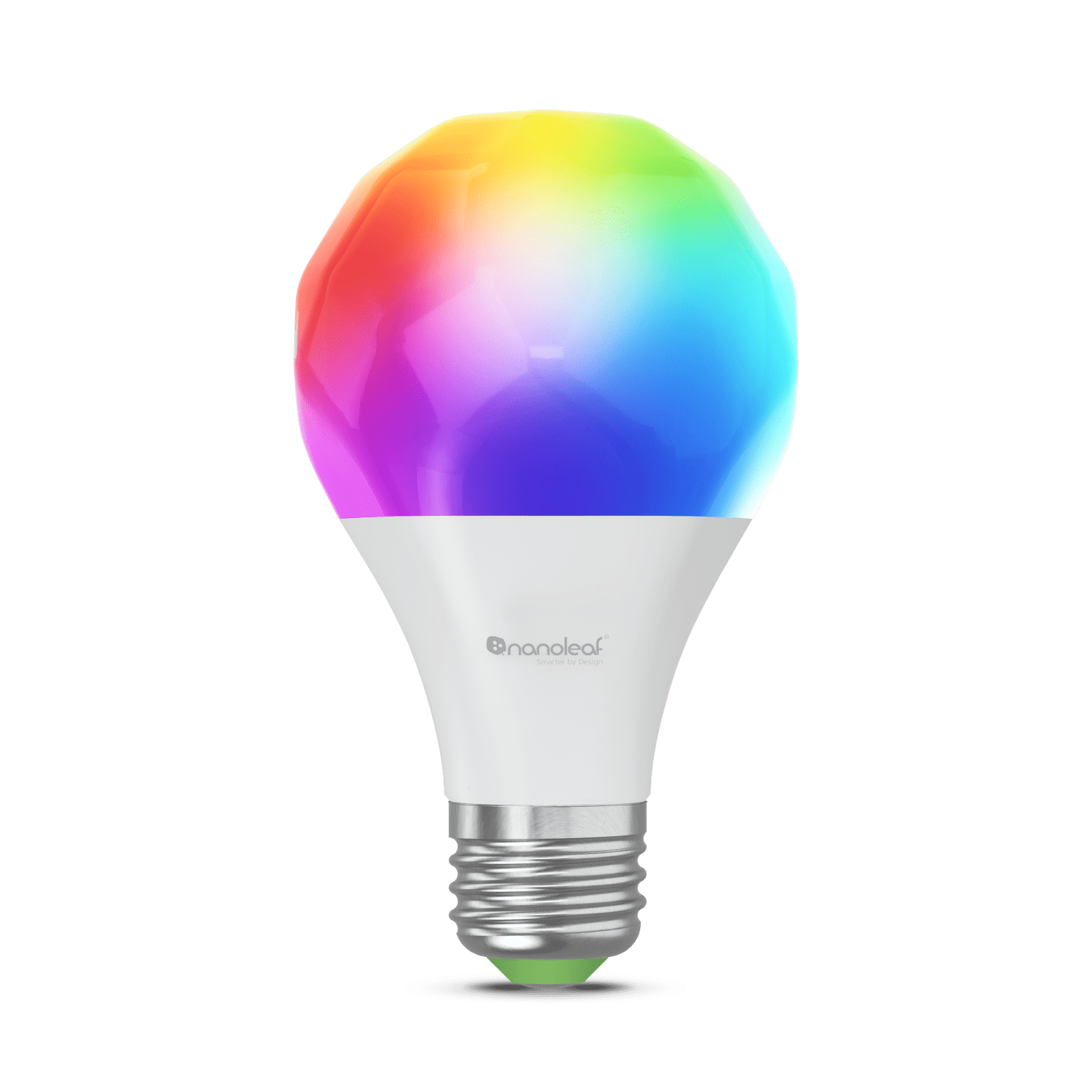
Smart lighting is where the price gap between budget and premium is the most stark. You can spend $8 per bulb or $50 per bulb. The question is what you actually get for that difference, and whether it matters for your use case.
I've run all three of these in my home at various points. Govee strips behind my TV and desk, Philips Hue in the living room and bedroom, and LIFX in the kitchen and one bathroom where I want bright, accurate white light. Here's the honest comparison.
The Short Version
Govee: Buy it for accent lighting, gaming setups, LED strips, and anywhere you want color effects on a budget. White light quality is mediocre.
Philips Hue: Buy it if you want the best ecosystem integration, local control, and you're building a whole-home setup. The cost adds up fast.
LIFX: Buy it if you want the brightest, most color-accurate single bulbs without committing to a hub. The best choice for a primary light source you also want to be smart.
Govee — The Budget Pick
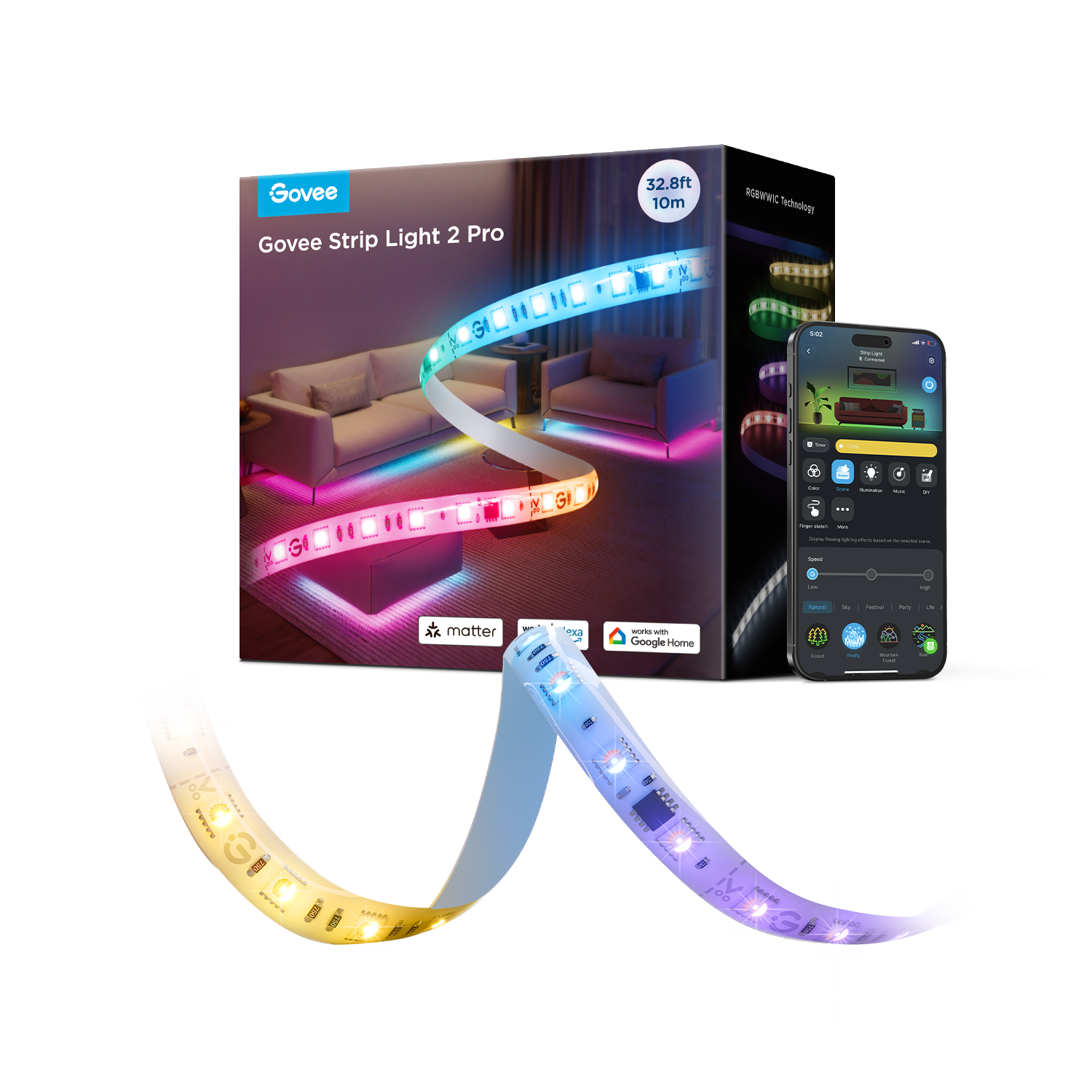
Let me start with what Govee does right. The Govee RGBIC technology — independent control per LED segment — lets you show multiple colors simultaneously on a single strip. You want blue at one end fading to purple to orange to yellow? Done. One click in the app. No other brand in this price range does this as well.
Prices: Govee strips run $25–$60 depending on length. Individual bulbs are $8–$15 each. At that price, you can kit out an entire room for what one Philips Hue bulb costs.
The app: Govee's app is genuinely impressive for the price. Scene effects, music sync (using the phone's microphone), room grouping, Alexa and Google Assistant support. The DreamView sync box pairs with your TV for backlight sync at around $50 — a fraction of what Philips Hue Sync Box costs.
Music sync: Govee's Envisual camera-based TV sync has improved significantly. The lag has come down to roughly 25–40ms in my testing, which is fast enough that it doesn't feel disconnected from the content. Not as smooth as Hue's HDMI-capture approach, but 80% of the experience at 30% of the cost.
What's bad: White light output from Govee bulbs is underwhelming. The whites look slightly off — not bad enough to notice if you've never seen better, but obviously worse when you put a Govee and a Hue bulb side by side in the same fixture. CRI on Govee is typically in the 70s; Hue is 90+.
Smart home integration: Alexa and Google Assistant work well. HomeKit is hit-or-miss depending on the model — check individual product listings. Home Assistant has a Govee integration but it's cloud-based and has had reliability issues. If HA integration matters, Govee is not your friend.
Long-term reliability: This is the one area where I have genuine concerns. I've had two Govee strip segments develop connectivity issues after about 24 months of continuous operation. Govee's customer support is fine, but the long-term reliability data isn't there the way it is for Hue.
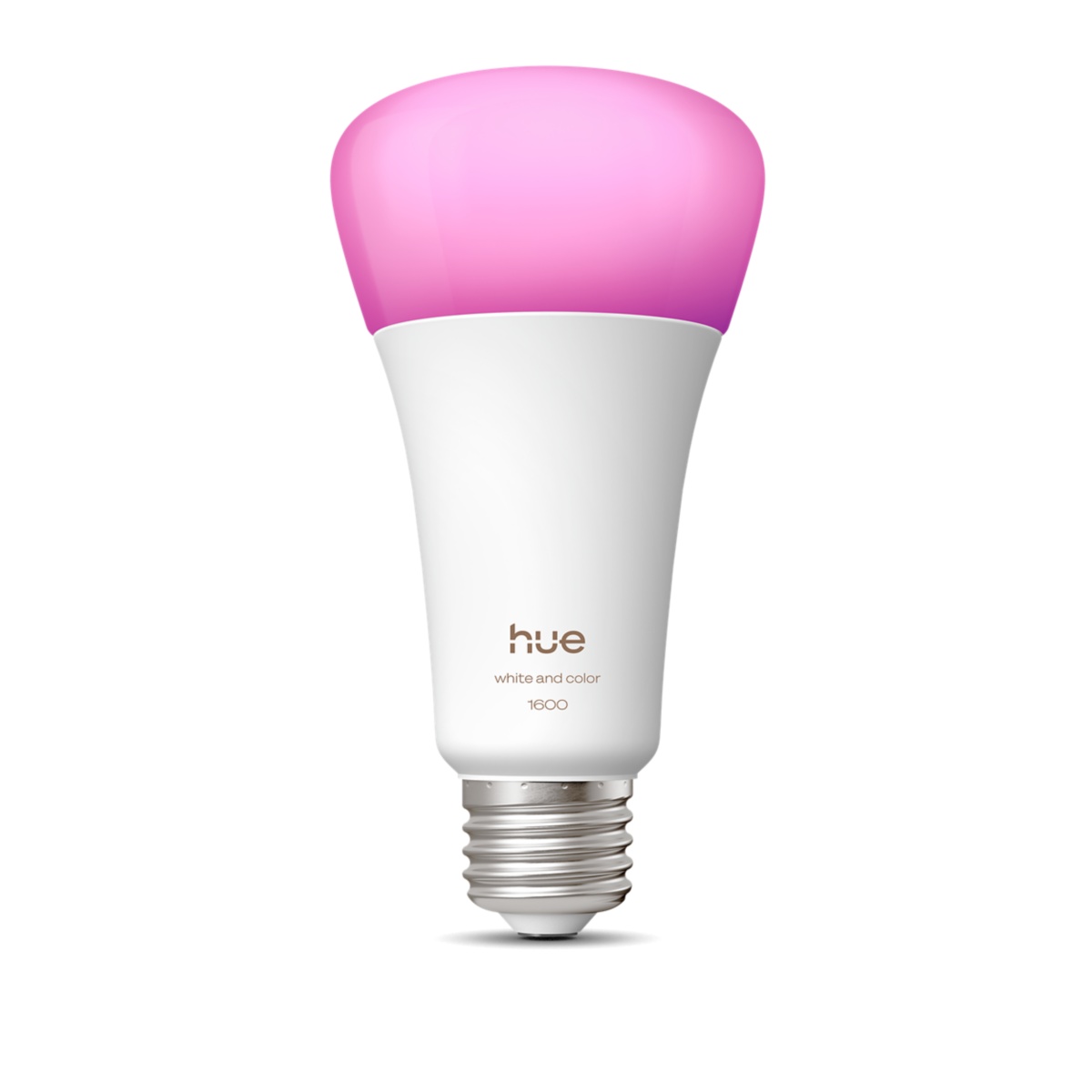
Philips Hue — The Premium Ecosystem
Hue is the most expensive smart lighting system here and also the most capable one when treated as a full ecosystem rather than individual bulbs.
The Hue Bridge: The $60 Hue Bridge is the foundation. It creates a dedicated Zigbee network that communicates locally without going through your Wi-Fi or the internet. Automations run even when your internet is down. Response times are under 100ms — you flip a switch and it responds instantly. After years of using Wi-Fi-based systems that occasionally lag or fail to respond, that local reliability is genuinely valuable.
Bulb prices: The White and Color Ambiance A21 bulb runs about $50 each. The A19 standard bulb is around $35. The 2-pack and 4-pack bundles bring it down to about $25–$30 per bulb. Starter kits (2 bulbs + Bridge + dimmer switch) run around $100–$140. It's expensive. There's no getting around that.
Color quality: Hue is the best at white light. The CRI of 90+ means colors rendered under Hue light look more accurate — important if you care about how your home actually looks and not just whether it's a certain color temperature. The transition from warm amber (2200K) to cool daylight (6500K) is smooth and natural. The color accuracy for subtle shades — pale blues, warm pinks, specific whites — is better than anything in the Govee or LIFX range.
Ecosystem depth: Hue has the widest range of products: bulbs in every format, light strips, gradient strips, play bars, outdoor lighting, motion sensors, smart buttons. Everything talks to everything. The Sync Box captures HDMI content and shifts your room lighting in real-time with zero perceptible lag — actually zero, not 25ms. It's $280 though.
Home Assistant: The Hue integration in HA is local, fast, and comprehensive. This is one of the cleanest HA integrations in the smart home space. All bulbs, scenes, rooms, motion sensors — everything is available. I've been running Hue in HA for two years without a single integration issue.
Apple HomeKit: Hue was one of the first HomeKit accessories and still has one of the best implementations. The Hue Bridge exposes all lights and scenes natively to Apple Home. Automations using Hue lights with HomeKit work reliably and locally.
The math: If you have a two-bedroom apartment with 20 fixtures, going full Hue runs $700–$1,000. That's the premium you're paying for ecosystem reliability, white light quality, and a decade-long product roadmap. For some people, that's absolutely worth it.
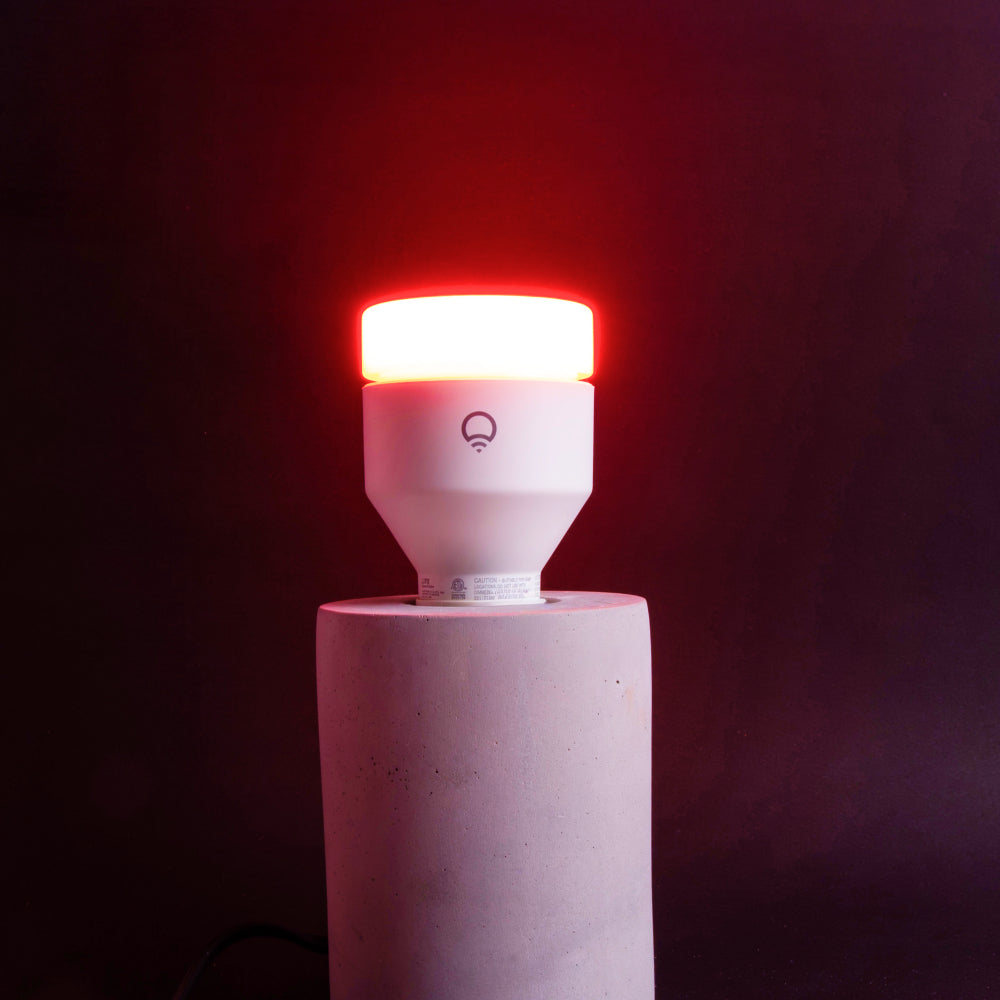
LIFX — The Middle Ground
LIFX is the odd one out — expensive like Hue, no hub required like Govee. Each LIFX bulb connects directly to your Wi-Fi router and operates independently. Screw it in, open the app, done in two minutes.
The SuperColor A21: At 1,600 lumens, this is the brightest smart bulb I've tested. The A21 format is larger than a standard A19, so check your fixture dimensions, but the output is genuinely impressive. Color rendering is excellent — CRI 90+, same tier as Hue. The color temperature range (1,500K to 9,000K) is wider than most bulbs, going from extremely warm amber all the way to a very cool daylight that Hue doesn't match.
Prices: The SuperColor A21 is around $50 per bulb. The standard 1,100-lumen Color bulb is $35. Two-packs bring cost down slightly. It's in Hue territory pricing-wise.
No hub — pros and cons: The no-hub approach means each bulb adds to your Wi-Fi device count. If you're adding 20 bulbs, you're adding 20 Wi-Fi clients. Modern routers handle this fine, but if you're on an older router or a congested network, you'll feel it. The upside is there's nothing to set up initially — no bridge, no hub, no proprietary network.
Smart home compatibility: Works with Apple HomeKit, Alexa, Google Assistant, and Matter 1.3. HomeKit works well. The LIFX app is one of the better smart lighting apps — intuitive, feature-rich, well-designed.
Home Assistant: LIFX has a good HA integration. It's LAN-based — HA talks directly to the bulbs on your local network without cloud dependency. I had occasional instances of bulbs dropping off and requiring a re-sync over 18 months of use, but nothing serious.
Head-to-Head: Which One For What Use Case
TV and gaming accent lighting: Govee. The multi-zone RGBIC strips, music sync, and DreamView TV sync are compelling at the price. Hue can match the experience but at 3-4x the cost.
Bedroom lighting you actually live in: Hue or LIFX. The white light quality matters. Govee's whites are noticeably inferior. If you're using a lamp as your primary light source, pay more for better color rendering.
Kitchen or workspace: LIFX SuperColor A21. The 1,600-lumen output and 9,000K maximum color temperature give you genuinely bright, high-quality task lighting that doubles as mood lighting.
Whole-home smart lighting ecosystem: Hue. The Zigbee mesh, local control, Bridge reliability, and ecosystem depth justify the cost if you're doing this at scale.
Budget starter kit: Govee for strips and accent. LIFX for your one or two most-used fixtures. This hybrid approach gives you good color effects where you want them and quality white light where it matters, at less than Hue's entry price.
The Honest Take on Ecosystem Lock-In
All three of these want you to stay in their ecosystem. Govee has the weakest pull — the products don't really interconnect in a meaningful way beyond the app. LIFX is more of a platform, and the app is genuinely good. Hue is the most walled garden but also the most polished garden.
If you're going all-in on Apple HomeKit or Home Assistant: Hue. The integration quality is unmatched.
If you're mostly Alexa or Google and want low entry cost: Govee for accents, LIFX or a budget brand for primary bulbs.
If you just want one brand for everything: Hue is worth the price premium. A decade of ecosystem investment is hard to argue against.
Buy Govee for the fun stuff. Buy Hue or LIFX for the serious stuff. That's the honest answer.