Choosing a smart home hub is the most important decision you'll make in your automation setup. Everything else—your devices, your automations, your whole smart home ecosystem—hangs off this choice.
I get asked constantly: should I use SmartThings, Home Assistant, or Hubitat? The honest answer depends on what matters to you. Let me break down all three.
SmartThings: Easy Start
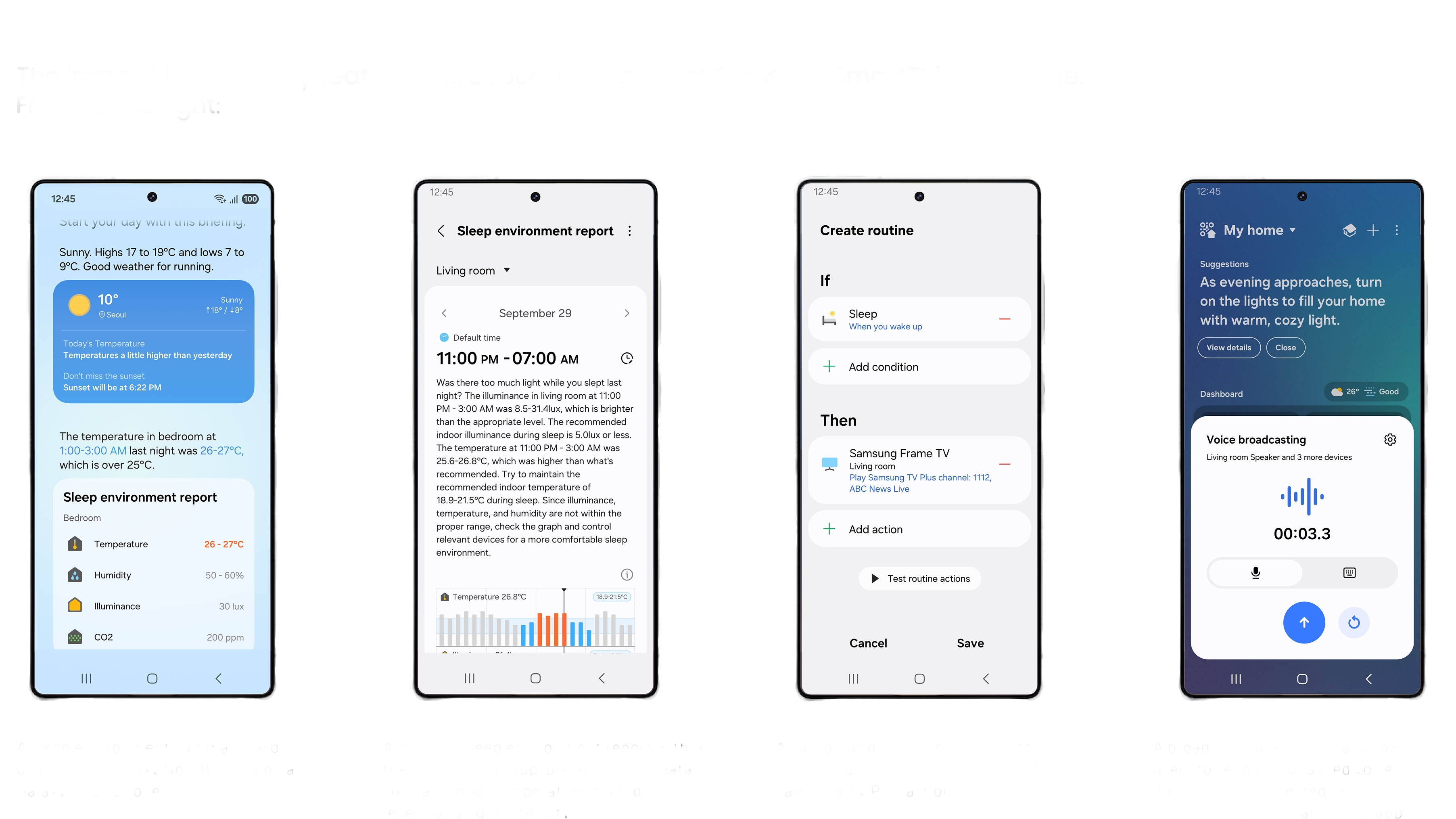
SmartThings is Samsung's platform. It's free to use. It's cloud-based, which means your automations work even if your local hub is offline—they run on Samsung's servers.
Pros:
- Completely free
- Super easy setup for beginners
- Great Samsung TV integration
- Matter support and cloud reliability
- Simplified automation builder
- Mobile app is polished
Cons:
- Cloud-dependent for full functionality
- Limited local processing (via Edge drivers, which are complex)
- Smaller integration ecosystem than Home Assistant
- Less control for power users
SmartThings is best if you want to set up a smart home and not think about it too much. You're trading some control and privacy for simplicity.
Home Assistant: Complete Control
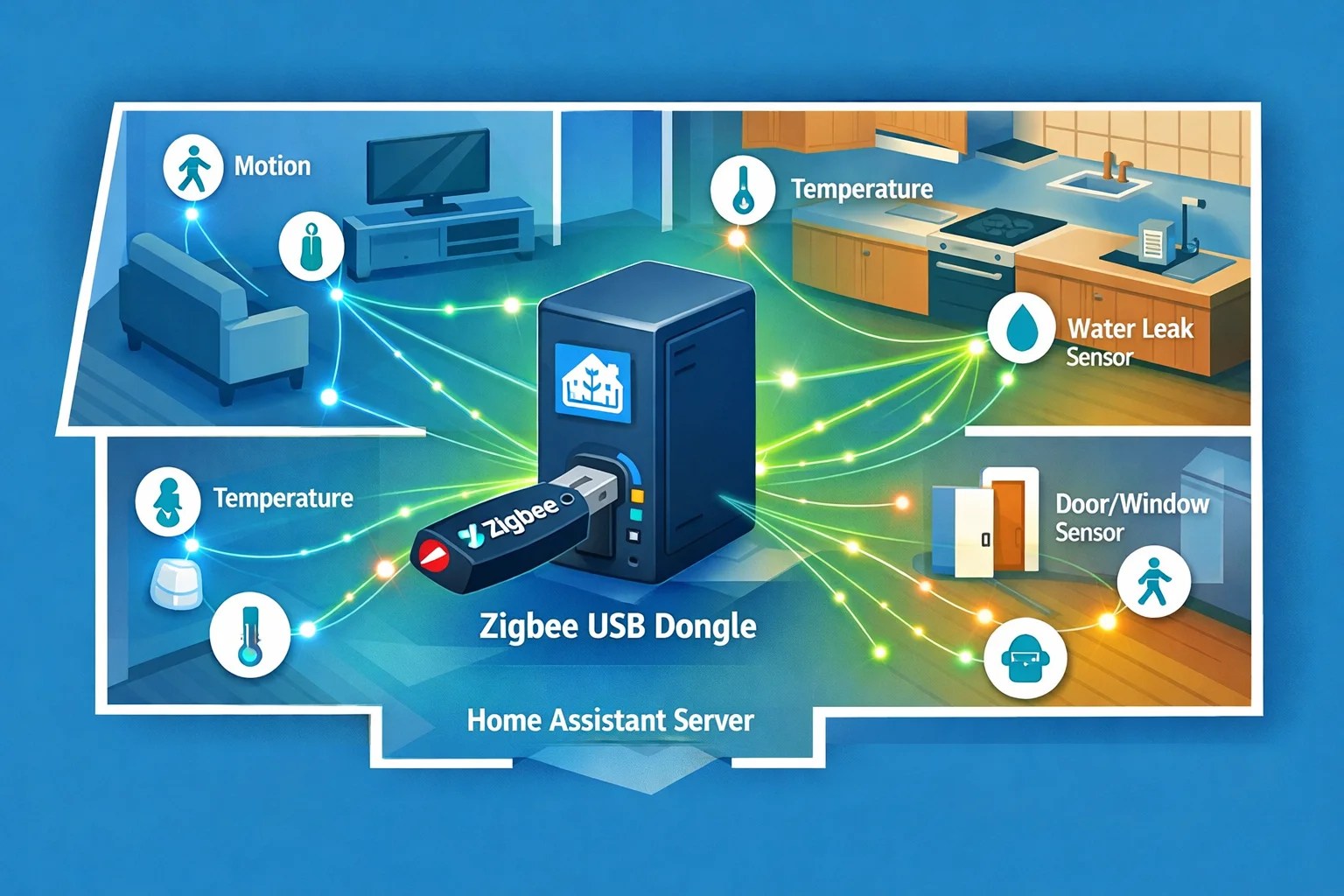
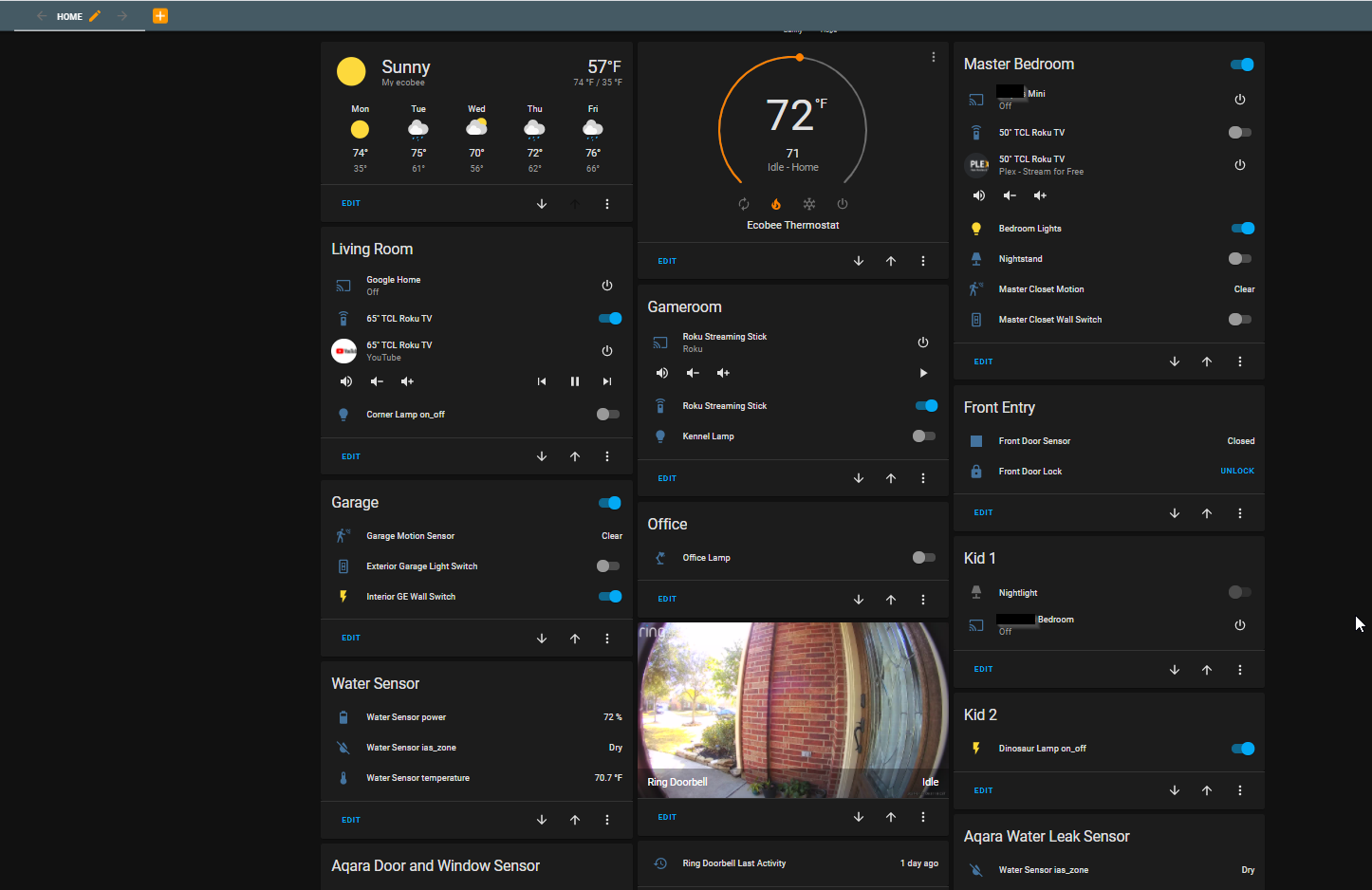
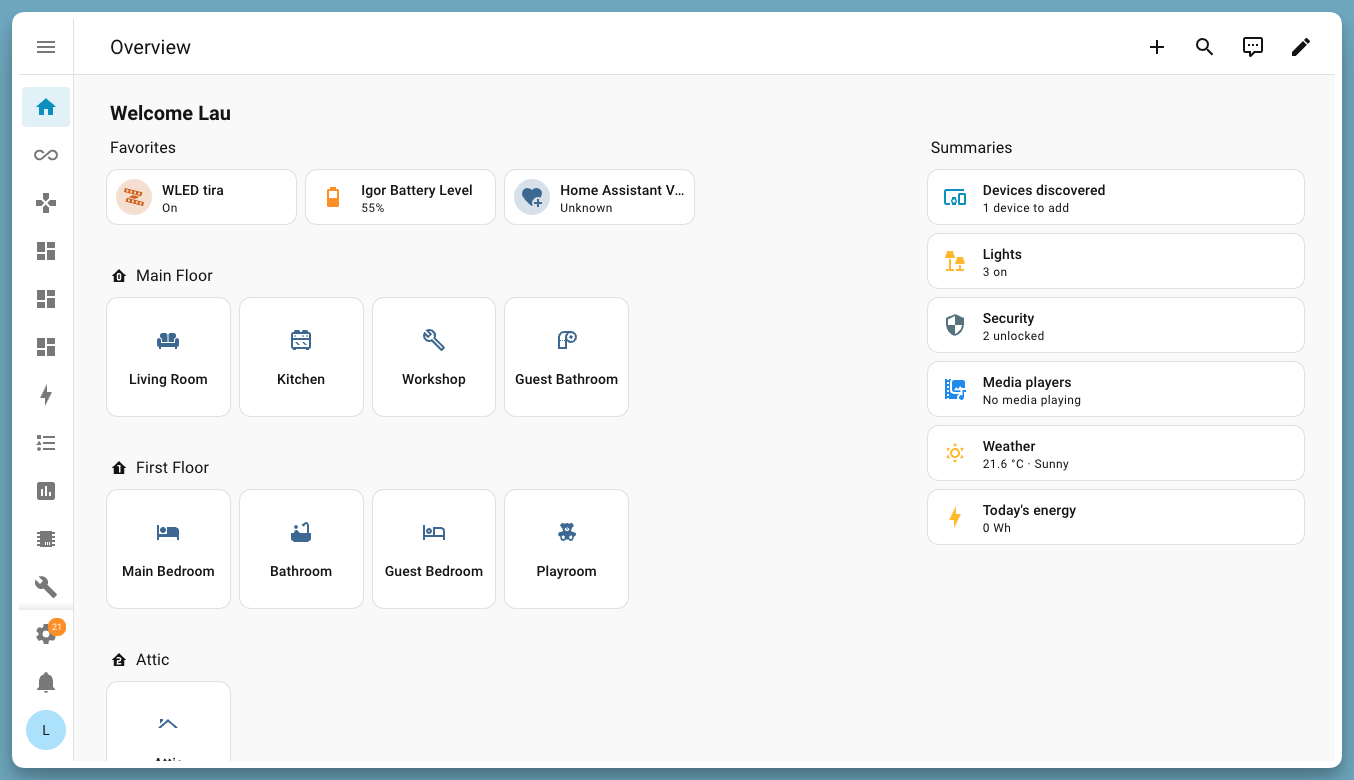
Home Assistant is open-source software that runs on your hardware—a Raspberry Pi, an old laptop, a dedicated mini PC. It costs nothing for the software, but you need to buy the hardware (figure $50–$150).
Pros:
- Fully local—nothing leaves your network
- Massive integration library (3,000+)
- Complete privacy and control
- Runs anywhere with a power plug
- Custom voice assistant support
- Extremely flexible automations
Cons:
- Steep learning curve
- Requires hardware investment
- You're responsible for updates and maintenance
- Requires more technical knowledge
- Documentation can be overwhelming
Home Assistant is for people who want to tinker and build something custom. If you're comfortable running your own server and don't mind reading forums, this is the most powerful option.
Hubitat: The Middle Ground
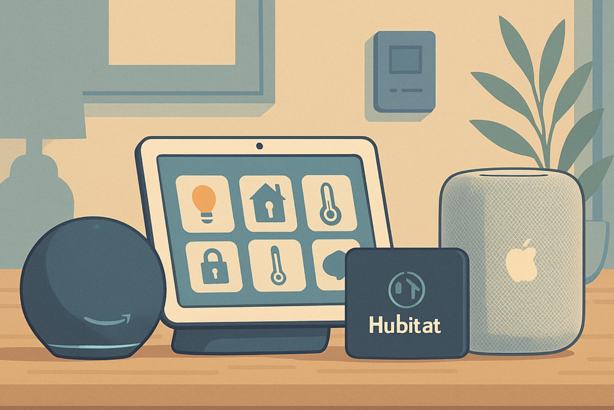
Hubitat Elevation is a local-only hub that costs around $200. It's fully self-contained—it doesn't need the internet to function, and your automations run entirely on the device.
Pros:
- Fully local with no cloud dependency
- Z-Wave 800 series support (latest standard)
- Zigbee support
- Rule Machine for complex automations (no coding required)
- Better UI than Home Assistant
- Excellent SmartThings migration path
- Better customer support than HA or SmartThings
Cons:
- Upfront cost ($200)
- Smaller integration ecosystem than HA
- Community is smaller
- Less customizable than Home Assistant
- No voice assistant built-in
Hubitat is the sweet spot for people who want local control and reliability without the learning curve of Home Assistant. You're paying for polish and support.
Comparison Table
| Feature | SmartThings | Home Assistant | Hubitat |
|---|---|---|---|
| Cost | Free | $50–$150 | $200 |
| Processing | Cloud + Local | 100% Local | 100% Local |
| Z-Wave | Yes | Yes (800 series) | Yes (800 series) |
| Zigbee | Yes | Yes | Yes |
| Matter | Yes | Limited | No (yet) |
| Thread | Yes | Yes | No (yet) |
| Voice Assistants | Bixby, Alexa | Home Assistant Voice | None |
| Learning Curve | Easy | Steep | Moderate |
| Mobile App | Excellent | Good | Good |
| Local Automations | Limited | Full | Full |
| Privacy | Samsung sees data | 100% Private | 100% Private |
My Take
For beginners: SmartThings. Set it up, use it, don't worry about any of this.
For power users who want control: Home Assistant. Yes, there's a learning curve. Yes, you need hardware. But there's nothing more powerful.
For people in the middle: Hubitat. You want local processing and real automation power, but you don't want to run your own server. This is the sweet spot.
If you're coming from SmartThings and want more control, Hubitat is the easiest migration path. They have excellent tools to migrate your automations.
If you want maximum integration options and don't mind tinkering, Home Assistant will blow your mind.
If you're happy with SmartThings and don't need local processing, stay. It works.
Final Thoughts
There's no "wrong" choice here. They're three different philosophies: convenience, power, and balance. Pick the one that matches your skills and needs.
Shop Smart Home Hubs on Amazon
Pick your hub and build the smart home you want.