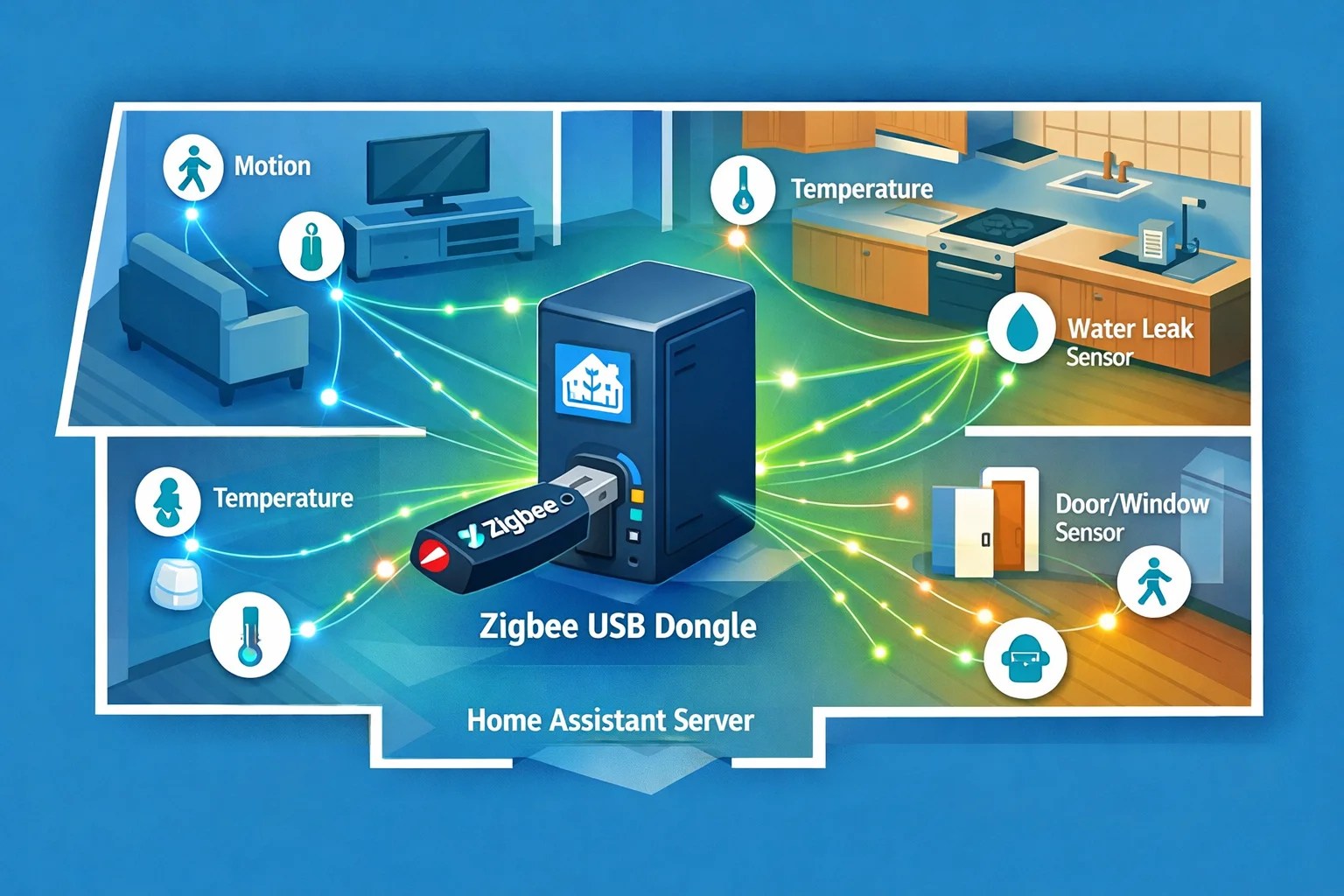
About two years ago, I made the jump from SmartThings to Hubitat, and it's been the best decision I've made in my entire smart home setup. I went all-in on local control after one too many outages left me unable to turn off my lights, and I haven't looked back. The new C-8 Pro is the refinement of that original vision, and it's worth your attention if you're tired of cloud dependency.
What You're Getting
The Hubitat Elevation C-8 Pro is a local hub that runs your automations entirely on your network—no cloud required. You get Z-Wave 800 (the latest standard), Zigbee 3.0, Wi-Fi for certain devices, and Ethernet connectivity. It's about the size of a small router, comes with a built-in 12V power adapter, and the whole package costs around $200.
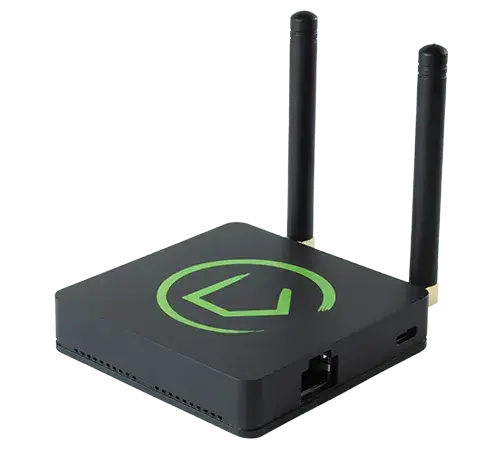
What makes this different from SmartThings or most other hubs is the philosophy. Hubitat doesn't want your data in the cloud. Your automations run locally. Your device states live locally. That means if your internet goes down—which happened to me last month during a storm—your lights, locks, and thermostats still work because they're not calling home to verify anything.
The Real Advantage: No Internet Required
I'll be honest, local processing might sound like a gimmick if you've never had your cloud hub fail. It's not. When your ISP has an outage (mine does roughly twice a year), everything still works. Your automations fire. Your app can't reach the hub, but your devices respond to physical switches and local commands just fine.
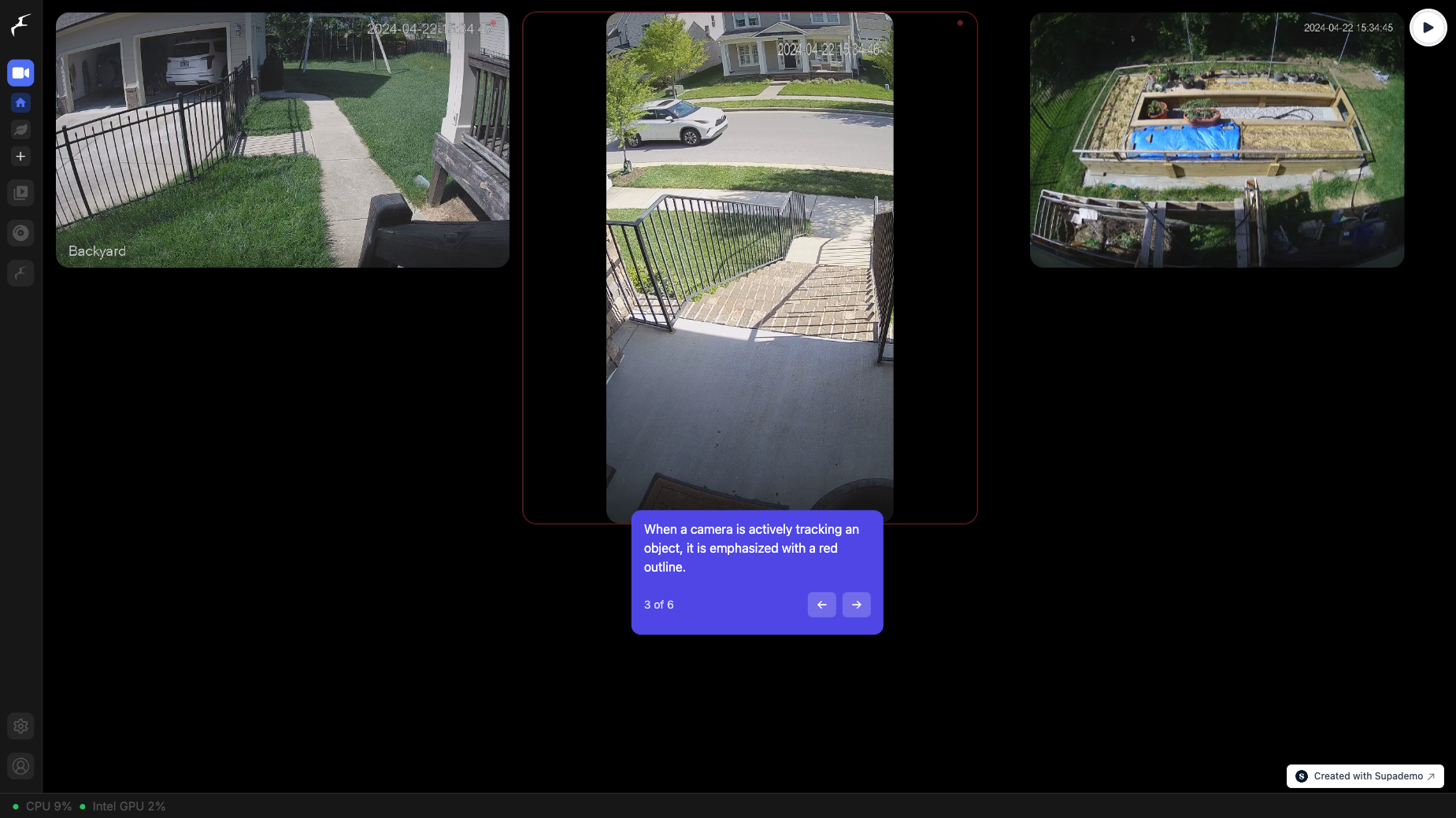
This matters for security too. Your lock automation doesn't go through the cloud. Your cameras aren't sending encrypted video to someone else's servers unless you choose that path. That peace of mind costs the same as the cloud-dependent alternative.
Solid Automation: Rule Machine
The C-8 Pro comes with Rule Machine, which lets you build complex automations without touching code. You can stack conditions, time triggers, and device actions in a visual editor. I've got rules that handle seasonal lighting, guest mode automation, and conditional locks based on time of day and presence.
If you want to get deeper, there's also a custom code editor for Groovy scripts, but honestly most people won't need it. Rule Machine covers about 90 percent of what I want to do.
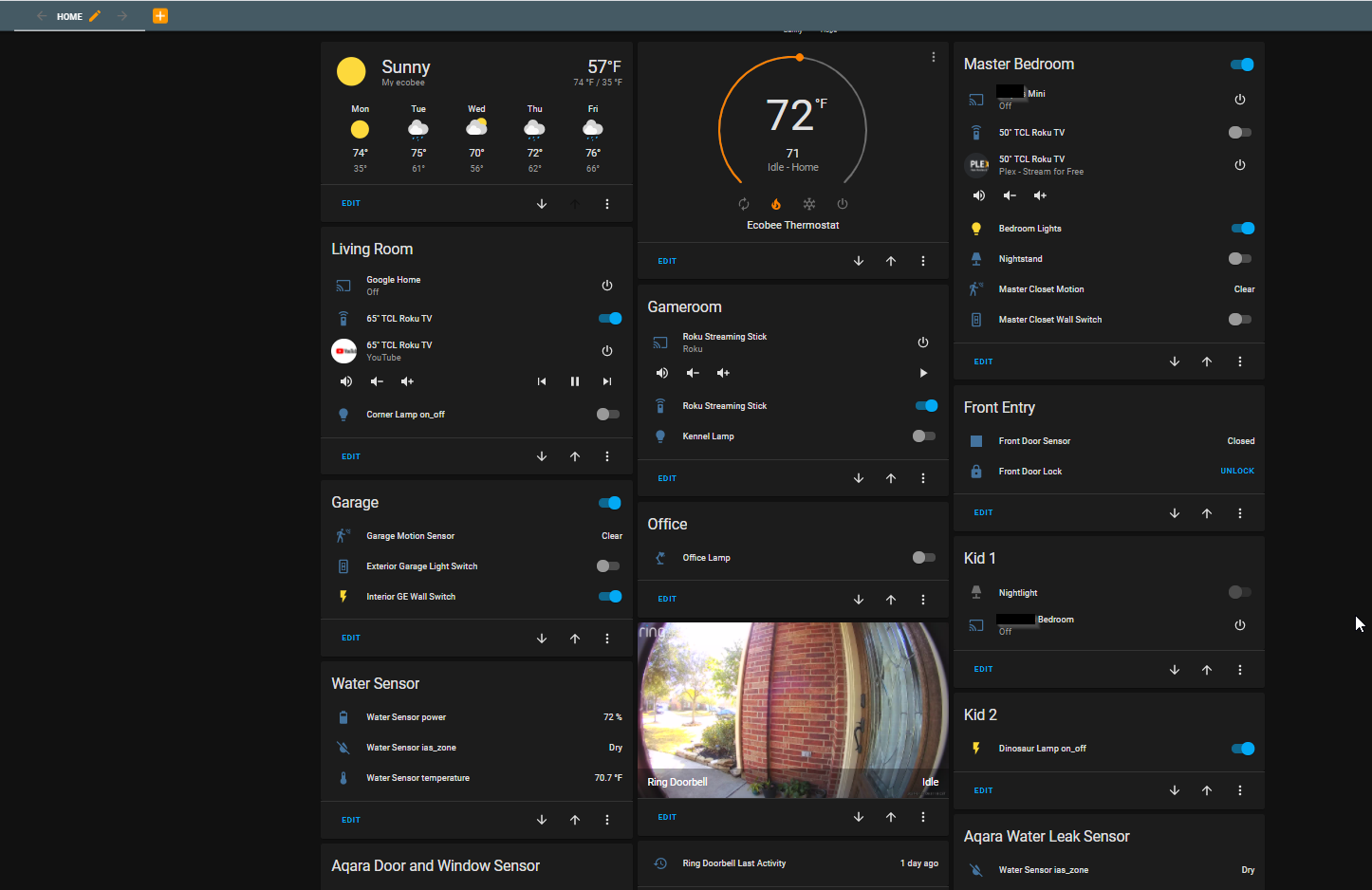
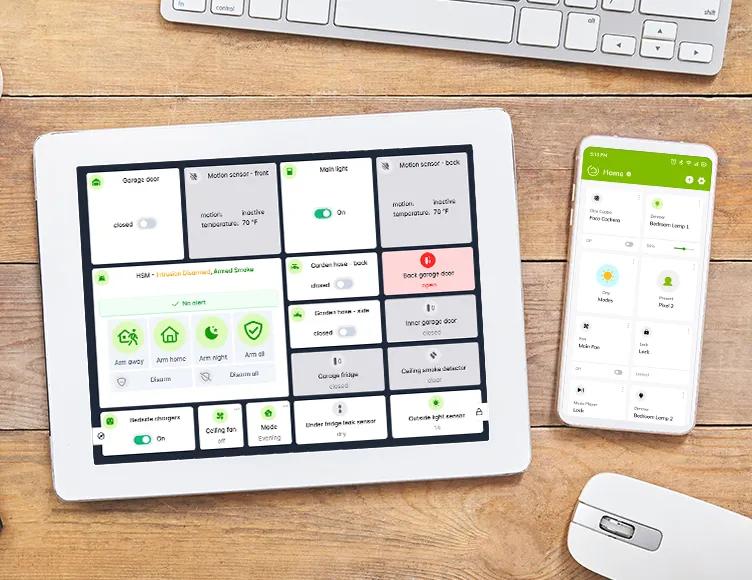
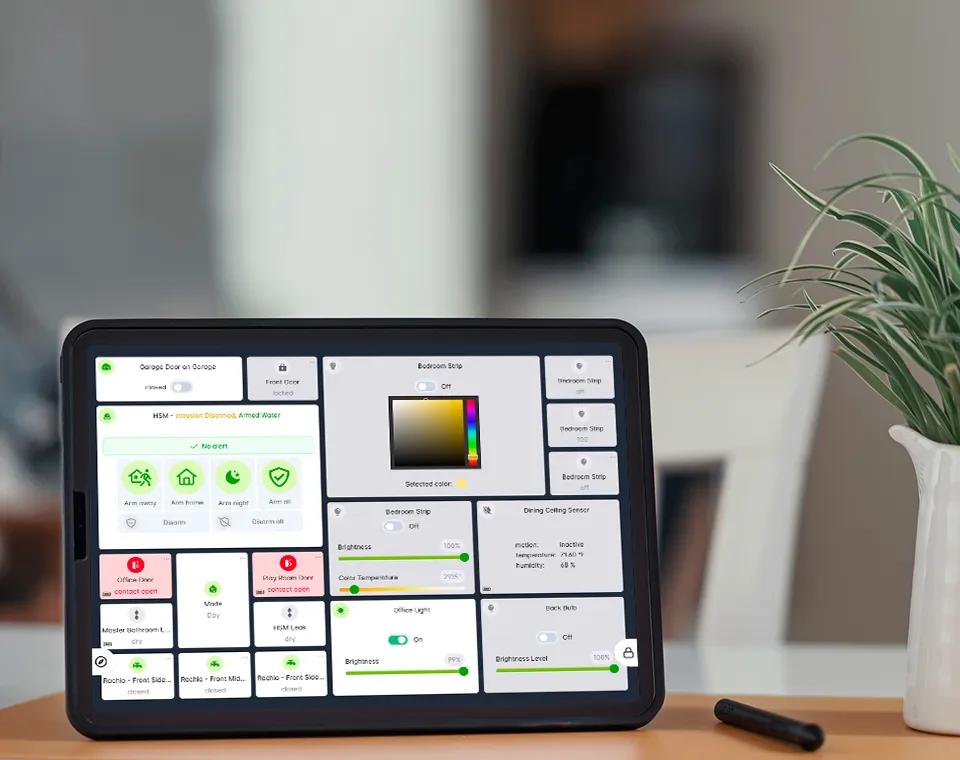
The built-in dashboard is functional but basic. I mainly use it to check device status and trigger scenes manually. It's not pretty, but it works. If you want something slicker, there are third-party options like SharpTools that integrate with Hubitat.
Matter Support (When You Need It)
The C-8 Pro can act as a Matter controller, which means you can add Matter devices to your automation setup alongside your Z-Wave and Zigbee gear. Matter is still maturing, but this future-proofs your investment. Not every device is Matter-compatible yet, but that's changing fast.
The Antennas Actually Work
The external antenna connector on the C-8 Pro makes a real difference if you've got a spread-out home. My original Hubitat was in a central closet, but adding an external antenna pointed toward my back patio sensors cut out a lot of the dropouts I was getting. It's a small thing that shows Hubitat actually thinks about real homes.
How It Compares
SmartThings is still simple and intuitive, but it's cloud-first. You lose automations during outages. That's the trade-off.
Home Assistant offers more power and flexibility, but you're getting into Linux territory. The learning curve is steep if you're not technical. Hubitat sits in the middle—more powerful than SmartThings but with a much gentler learning curve than Home Assistant.
If you're coming from SmartThings, Hubitat is a natural step up. You already know how device groups and automations work. The Hubitat interface will feel familiar in the best way.
The Maker API for Developers
If you want to build custom integrations or talk to Hubitat from your own scripts, the Maker API exists. It's not as flexible as Home Assistant's API, but it's there. I use it to pull device data into a dashboard, and it works fine.
Worth the Upgrade?
At $200, the C-8 Pro is a serious investment, but I think it's worth it if you're committed to local control. You're not paying for cloud infrastructure. You're paying for a capable processor that sits in your house and keeps your automations running no matter what Comcast decides to do.
If you've got a smaller setup with under 50 devices, the standard Hubitat works fine and costs less. But if you're building something serious with lots of devices and complex rules, the C-8 Pro has the power to handle it.
The real test for any hub is what happens when the internet fails. Hubitat passes that test. Get the Hubitat C-8 Pro on Amazon and you'll have a hub that actually works when you need it most.